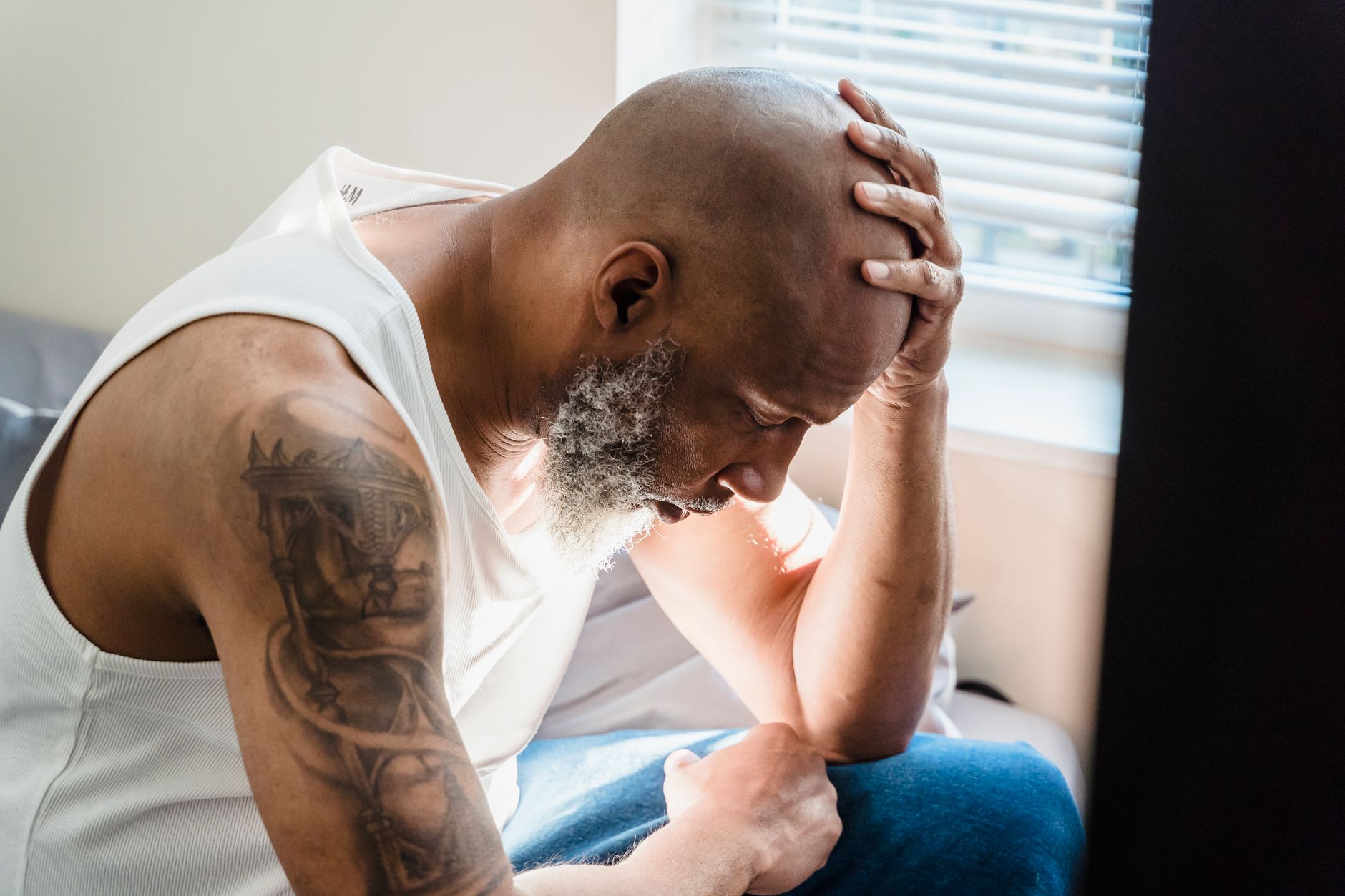
If you're into kink and considering therapy — for kink-related issues or for anything else — the therapist's relationship with kink matters more than people credit. The wrong therapist can pathologise consensual practices, treat your sexuality as a symptom rather than an aspect of your life, and at worst cause real damage. The right one can be a powerful ally for both your kink and your broader wellbeing.
Finding a kink-aware therapist in South Africa requires deliberate searching. Here's how to do it.
What "kink-aware" actually means
A kink-aware therapist:
- Doesn't view kink itself as evidence of trauma, dysfunction, or pathology
- Understands the difference between kink and abuse
- Recognises consent, negotiation, safewords, and aftercare as the professional vocabulary they are
- Can hear about your practices without flinching, judging, or steering you away from them
- Will treat the actual issue you're presenting (anxiety, relationship difficulty, depression, etc.) without making your kink the focus when it isn't
This is a meaningful set of competencies, not just an attitude. Therapists who haven't done specific learning in this area often unconsciously default to pathologising frameworks even when they intend to be neutral.
Why this matters
Most therapists in South Africa (and globally) have received minimal training in kink. Mainstream psychology has historically pathologised non-vanilla sexual practices, and while the major diagnostic manuals have updated to recognise that consensual kink isn't a disorder, the educational pipelines haven't fully caught up.
Specific harms a non-kink-aware therapist can cause:
- Treating kink as the symptom when you're presenting unrelated issues
- Recommending you "stop" practices you're successfully and consensually engaged in
- Misidentifying healthy power exchange dynamics as abuse
- Creating shame around practices you came to therapy already at peace with
- In the worst cases, mandatory reporting based on misunderstanding consensual activity
None of these are hypothetical. They happen regularly in mainstream therapy contexts.
Where to look
Online directories that screen
The Kink Aware Professionals (KAP) directory, run by the National Coalition for Sexual Freedom (NCSF), lists therapists who've self-identified as kink-aware. Started in the US, has international listings. Worth checking for South African listings.
Psychology Today's directory allows therapists to indicate "BDSM/Kink" as a specialty or comfort area. South African coverage is patchy but growing.
Word of mouth in kink communities
If you're connected to any kink-positive community (online or in-person), recommendations from other practitioners are gold. The directories list "kink-aware" therapists; community recommendations identify the ones who are actually good at it.
South Africa-specific resources: the Cape Town Munch (kink-positive social events) and similar groups in Johannesburg often have informal recommendation networks.
Sex-positive therapy directories
Some sex-positive psychology associations maintain referral lists. The South African Sexual Health Association and similar bodies sometimes have referral networks.
Asking directly
When considering any therapist, you can simply ask: "Do you have experience working with clients who practise BDSM or kink, and how do you understand it as a framework?" The response tells you a lot.
What to ask in a first session
If you're vetting a therapist who's not specifically kink-identified but might be acceptable, useful questions:
- "Have you worked with clients who practise BDSM or kink?" — establishes whether they have any experience.
- "Where do you draw the line between consensual kink and abuse?" — a kink-aware therapist will give a thoughtful answer about consent, capacity, and harm; a non-aware one often blurs the categories.
- "How do you understand the role of power exchange in healthy relationships?" — tests whether they have any framework beyond "power dynamics are bad."
- "Are you comfortable with me discussing my practices in detail when relevant?" — sets expectations for how kink will be handled in sessions.
- "Have you read [Stefani Goerlich's The Leather Couch, or any other kink-aware therapy text]?" — tests for actual training rather than just openness.
You don't need yes to all of these. A "no, but I'm willing to learn" can be acceptable for a generally good therapist; a "no, and I find these practices concerning" is a clear signal to look elsewhere.
The specific situations where it matters most
If kink is what you're presenting about
If kink itself is what you want to discuss — relationship dynamics, scene processing, identity questions, exploring new practices — a kink-aware therapist isn't optional. The competence required is specific.
If you have trauma that intersects with kink
Some people have trauma histories that interact with their kink in complex ways. This is high-skill territory — the therapist needs to understand both trauma and kink, and how they can intertwine without one being reduced to the other.
If you're navigating couple's issues that involve kink
Differential interest in kink between partners, kink within a polyamorous structure, kink coming up in a relationship that hadn't included it before — these all require kink-aware competence to handle without making one partner's interests the "problem."
If you're in private practice but not specifically kink-presenting
If your work in therapy is about unrelated things (depression, anxiety, career), a non-kink-specialist who's at minimum kink-aware (won't pathologise if you mention practices) can be fine. You don't need a kink expert to address grief.
What to do if your current therapist isn't quite right
Sometimes you discover mid-therapy that your therapist's framework doesn't fit. Options:
- Educate. Some therapists are willing to learn; you can suggest readings (Goerlich, Patrick Moser, others) and continue if they engage seriously.
- Compartmentalise. If the therapy is otherwise working, you can keep kink out of session content and use therapy for the issues they're competent to help with.
- Switch. If the framework is causing harm or you're spending session energy defending your practices, switching is the right move. Therapy is a service; you're the customer.
What kink-aware therapy looks like in practice
Sessions with a kink-aware therapist tend to feel different from sessions with a kink-uneasy one:
- You can describe scenes, dynamics, and practices without translating them into "vanilla" terms
- The therapist asks clarifying questions about kink-specific issues with confidence
- Power dynamics, edge play, and intense practices are discussed on their own terms
- The conversation focuses on what you want to address, not on whether kink itself is okay
- Aftercare, drop, and processing scenes get treated as the legitimate concepts they are
This is what therapy can be like when the practitioner has done the work.
For partners who don't share the interest
Sometimes one partner in a couple is into kink and the other isn't. A kink-aware couples therapist can help navigate this without making either partner's position the "problem." The work is usually about understanding what each partner needs, what's compatible, and what isn't — not about getting one to convert to the other.
The cost
Specialist therapy in South Africa is private and not always covered by medical aid. Realistic rates: R600-R1,500 per session, depending on therapist and city. Some practitioners offer sliding scale.
If cost is a barrier, online options through international platforms can sometimes work — though check your local data privacy laws and the therapist's licensing in your jurisdiction.
The bottom line
Kink-aware therapy isn't a luxury. For people whose kink intersects with what they want to address in therapy, a non-kink-aware therapist can do real damage. Finding the right person takes more work than finding any therapist, but the difference in fit is significant.
Use directories, ask in communities, vet with specific questions, and don't settle for "tolerant of" when you can find "competent in." The therapist you choose shapes the work; choose deliberately.
If you're in crisis or struggling significantly, please reach out to mental health services regardless of kink-awareness. You can address the kink-specific framing later. Your immediate safety comes first.