Painful sex — clinically called dyspareunia — is one of the most common things people don't get help for. The "it's just like that for some people" message hangs in the air, and a lot of women in particular spend years either avoiding sex or gritting their teeth through it. None of that is necessary. Painful sex has causes, and most of them are identifiable and treatable.
This is the diagnostic walk-through. We'll go through the common categories of cause — by location, by timing, and by life stage — and what each one usually needs to fix it.
First: locate the pain
Where it hurts narrows the field significantly. Ask yourself, in this order:
- Is the pain at the entry — the vaginal opening or just inside?
- Is it deeper, with thrusting?
- Is the pain external — the vulva itself, before anything goes inside?
- Does it happen only at the start and ease with arousal?
- Does it happen after sex rather than during?
Each pattern points to a different cluster of likely causes.
Pain at the entry
Sharp or burning pain at the vaginal opening, especially as something tries to enter, has a short list of common causes:
1. Vulvodynia or vestibulodynia
Persistent unexplained pain at the vulvar opening, often described as burning, stinging, or feeling like raw skin. It can be primary (always been there) or secondary (developed at some point). Diagnosis is usually by exclusion. Treatment is multidisciplinary — pelvic floor physiotherapy, topical agents (lidocaine, oestrogen creams), nerve-modulating medications (gabapentin, low-dose tricyclics), CBT for the pain-anxiety loop. Slow but treatable.
2. Vaginismus
Involuntary spasm of the pelvic floor muscles around the vaginal opening — the body slams the door before anything can get in. It can feel like hitting a wall. Vaginismus is treatable, often beautifully so, with pelvic floor physiotherapy + dilator therapy + addressing any anxiety or trauma component. The success rate with appropriate treatment is high.
3. Skin conditions
Lichen sclerosus, lichen planus, eczema, and chronic candidiasis can all cause entry pain. They're often underdiagnosed because clinicians don't always look. If you've had unexplained vulvar discomfort that doesn't fit yeast or BV, ask a gynaecologist or dermatologist for a proper exam.
4. Inadequate lubrication
The most common and most fixable. The body doesn't always lubricate adequately on its own — especially with stress, lower oestrogen states (perimenopause, breastfeeding, certain birth control pills), or insufficient arousal time. Lube isn't a failure; it's a tool. (See the lube guide for which kind suits which situation.)
Pain that happens deep, with thrusting
Deep pain — felt up at the cervix or in the pelvis with deeper thrusts — points to a different cluster:
1. Endometriosis
Endometrial-like tissue grows outside the uterus, often on ovaries, fallopian tubes, or the pelvic wall. Deep dyspareunia is one of the most reliable symptoms, alongside heavy and painful periods. Diagnosis often requires laparoscopy. Treatment options include hormonal management, surgery, and pelvic floor work — and the most important step is taking the symptoms seriously, since the average diagnostic delay in South Africa is 7-10 years.
2. Pelvic inflammatory disease (PID)
Active infection of the upper reproductive tract, usually from untreated chlamydia or gonorrhoea. Causes deep pain, often with abnormal discharge, fever, or bleeding. PID is a medical urgency — untreated, it scars and causes long-term fertility issues. STI screen + antibiotics, fast.
3. Ovarian cysts
Functional cysts can cause one-sided deep pain that varies with cycle. Most resolve on their own but a persistent or unusually painful cyst warrants ultrasound.
4. Fibroids
Benign muscular growths in the uterus. Position-dependent pain is common — some positions hurt, others don't. Often coexists with heavy periods.
5. Pelvic floor tension or trigger points
The pelvic floor muscles can get knotted in trigger points just like any other muscle. Painful sex is a common symptom. A pelvic floor physiotherapist can identify and release these — it's one of the more underrated specialties in South African healthcare.
Pain on the vulva itself
External pain that's there before any penetration:
- Skin conditions (lichen sclerosus, contact dermatitis)
- Recurrent yeast or BV
- Atrophic changes (low oestrogen — common in postmenopause and breastfeeding)
- Allergic reactions to lubes, condoms, or detergents
- Vulvodynia (overlap with the entry-pain category)
Pain after sex
Pain that shows up after sex, not during, has its own set:
- UTI — burning with urination 12-48 hours after sex is the classic post-coital UTI pattern
- Bladder pain syndrome / interstitial cystitis — chronic bladder pain that flares after sex
- Pelvic floor overactivity — muscles that tighten during sex and don't release after, leaving an aching feeling for hours
- Vaginal microtears — small tears from inadequate lubrication, often felt the next day
Life-stage causes
After childbirth
Postpartum dyspareunia is extremely common — by some studies, 40-50% of women experience pain when they resume sex. Causes include scar tissue from tearing or episiotomy, pelvic floor changes, low oestrogen from breastfeeding, and sometimes psychological factors. The good news: most postpartum dyspareunia resolves with time and pelvic floor work. Six weeks is too soon to declare a verdict; six months is fairer; if it's still painful at a year, it needs investigation.
Perimenopause and menopause
Falling oestrogen thins the vaginal walls (genitourinary syndrome of menopause), reduces natural lubrication, and changes the pH. Sex that was comfortable for decades can become uncomfortable. The treatments that work: vaginal oestrogen (cream, tablets, ring) — local, low-dose, doesn't have systemic side effects of HRT, and is often dramatically effective. Non-hormonal moisturisers help too. Don't accept that sex is "just over now"; treatment exists.
On certain hormonal contraceptives
Some combined pills lower free testosterone enough to dampen lubrication and arousal. If sex was fine before you started a pill and started hurting after, that's worth a switching conversation.
The psychological layer (real, but rarely the whole story)
Anxiety, trauma history, and relationship strain can all contribute to painful sex — sometimes by causing pelvic floor tension, sometimes by reducing arousal, sometimes both. But "it's psychological" is the most over-used dismissal in this space. A clinician who jumps to that explanation without examining the body first is skipping steps. Insist on the physical workup.
That said, when there's both a physical and a psychological layer (as there often is — pain creates anxiety which creates more pain), addressing both is what actually helps. Pelvic floor physiotherapy + a sex-positive therapist is the combination that moves the needle.
The diagnostic process — what to expect
If you raise this with a GP or gynaecologist, a thorough workup includes:
- History — when did it start, where does it hurt, what makes it better or worse
- External exam — looking at the vulva for skin conditions, redness, swelling
- Internal exam — checking for tenderness, masses, cervical issues
- Swabs — STI panel and microbiome assessment
- Ultrasound — if deep pain or a cyst/fibroid is suspected
- Pelvic floor assessment — by a physiotherapist trained in pelvic health
- Specialist referral — if endometriosis, vulvodynia, or another specialist condition is suspected
If you're not getting this level of investigation, find a different clinician. Rushed exams that result in "just use lube" or "you're stressed" without actually checking are not enough.
What helps in the meantime
While you're working through diagnostics, low-risk things that often help:
- Lubrication — even if you think you don't need it. Silicone-based lasts longer for penetrative sex.
- Longer arousal time — most painful-sex patterns improve significantly with 20+ minutes of warm-up.
- Position changes — shallower angles, partner control, side-by-side often hurt less than missionary or doggy.
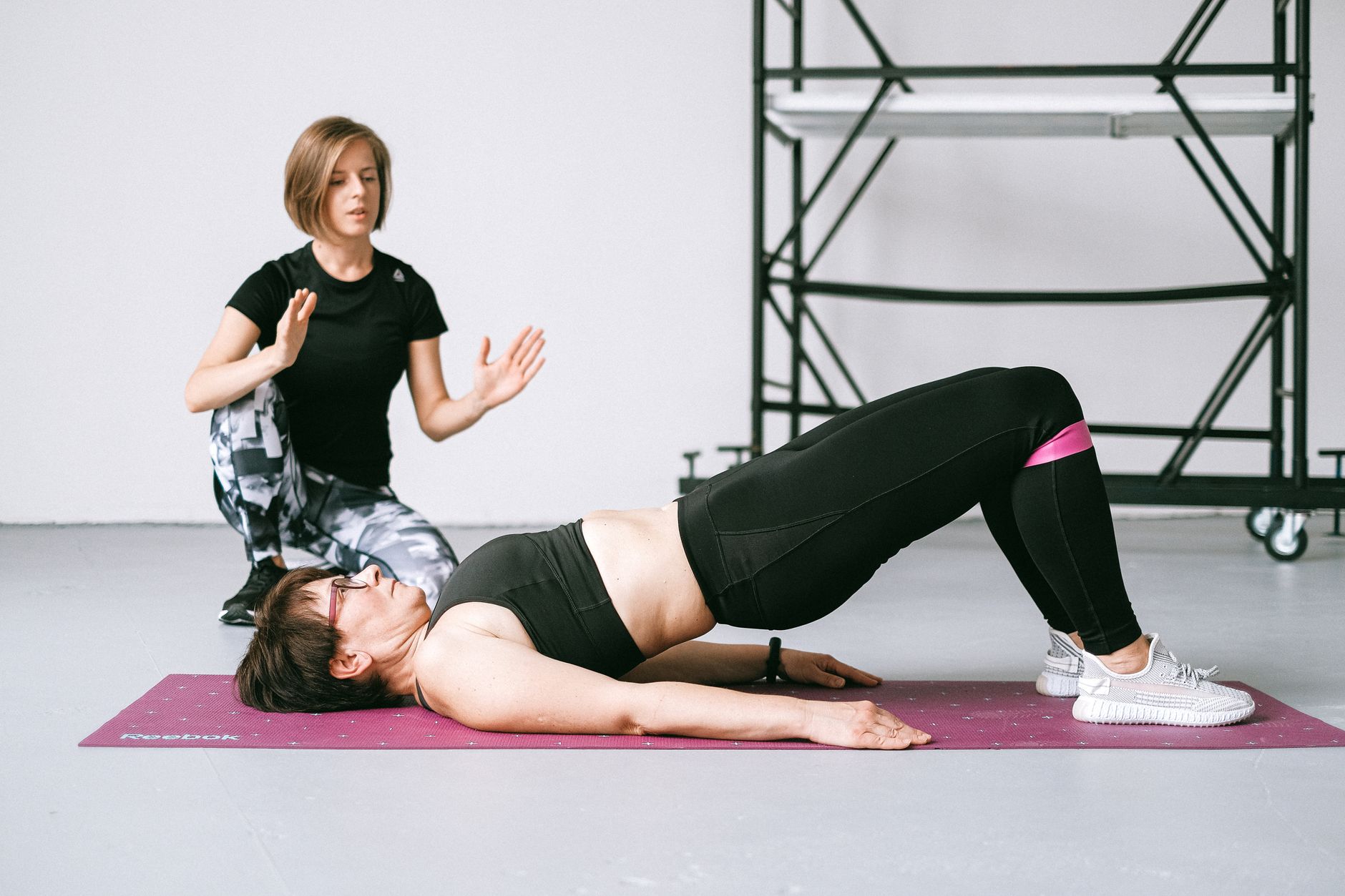
- Pelvic floor relaxation exercises — diaphragmatic breathing, hip mobility work, gentle stretching.
- Take penetration off the table for a while — non-penetrative sex during diagnostic work prevents the pain-anxiety-pain loop from worsening.
- Communicate — partners often catastrophise silence ("she doesn't want me anymore") in ways that compound the issue.
The bottom line
Painful sex is not a personality trait or a sign that something's wrong with you as a sexual being. It's a symptom with causes — usually treatable ones. Most of the conditions in this article can be improved with the right diagnostic workup and the right care team, which usually means a thorough gynaecologist plus a pelvic floor physiotherapist.
The thing that's actually wrong is being told for years that this is just how sex is for some women. It isn't. Get a real workup.
If you have severe or new pelvic pain, especially with fever, bleeding, or other symptoms, please see a clinician promptly. Some causes (PID, severe endometriosis, ovarian torsion) are urgent.