Strength training is one of the few interventions that genuinely raises libido — not as a "wellness vibe," but through measurable shifts in hormones, body composition, sleep, and the felt sense of being in your body. It also has a clean upper limit, after which more lifting starts to suppress the same things it was helping. The protocol that works for most adults is unglamorous and surprisingly modest.
Why lifting helps the body that has sex
Several mechanisms, all working at once:
- Testosterone. Resistance training acutely raises testosterone in both men and women. The chronic effect is smaller, but body composition shifts — more lean mass, less visceral fat — push hormones in the right direction over months.
- Insulin sensitivity. Better insulin sensitivity protects sex hormone binding globulin balance and energy stability across the day. Energy stability is libido's quiet ally.
- Blood flow and vascular health. Erections, clitoral engorgement, and vaginal lubrication all depend on healthy endothelial function. Lifting plus moderate cardio is one of the strongest endothelial protectors available.
- Body image. Strength is not the same as aesthetics. Most people who lift consistently report feeling more at home in their body inside three months, before any visible changes. Feeling at home in your body is the precondition for sexual confidence.
- Sleep and mood. Two or three lifting sessions a week reliably improve sleep quality and reduce subclinical depression — both of which independently lift libido.
- Pelvic floor and posture. Squats, deadlifts, and loaded carries train the pelvic floor as part of the trunk system, which supports both erection and orgasm physiology.
Where it stops helping and starts hurting
Above a certain training load, the same physiology works against you. The threshold is individual but the pattern is consistent:
- Five-plus intense sessions a week with poor recovery
- Heavy training combined with chronic under-eating, especially low fat or low carbohydrate
- Long cardio on top of heavy lifting (the marathon-trainer pattern)
- Insufficient sleep alongside high training volume
This is the overtrained-and-undersexed picture, and it is common in people who are using the gym to manage anxiety. It can take three to six months to dig out of, longer if hormone suppression is significant.
The protocol that actually moves libido
Three sessions a week. Forty-five to sixty minutes each. Progressive load on the big patterns. That is the centre of the protocol. Everything else is optional.
The structure
Most adults respond best to a full-body split repeated three times a week, with at least one rest day between sessions. Each session covers:
- One squat-pattern movement (back squat, goblet squat, split squat, leg press)
- One hinge-pattern movement (deadlift variant, hip thrust, kettlebell swing)
- One upper-body push (bench press, overhead press, dumbbell press, push-up)
- One upper-body pull (row, pull-down, pull-up)
- One trunk / loaded carry (farmer carry, plank variant, cable woodchop)
Three to four working sets of each, six to ten reps for the main movements, eight to twelve for accessories. Two reps in reserve on most sets — not training to absolute failure most days. Failure is reserved for the last set of the last exercise, sometimes.
The progression rule
Add weight, reps, or quality once a week to one or two movements. Not every movement, every week. Progress shows up over months, not weeks, and the people who progress slowly progress longest.
What to do for cardio without sabotaging the lifting
- Two to three 20-30 minute easy walks or zone-2 sessions a week — outside, low intensity, conversational pace
- Optional one short interval session (10-15 minutes total) if you enjoy them
- Avoid stacking long cardio onto lifting days unless you are well fed and recovered
Long-duration high-intensity cardio is fine if you specifically train for it, but at the volumes recreational athletes do it, it tends to suppress libido in both men and women. The combination most associated with genuinely raised libido is "modest lifting plus walking," not "lifting plus a half-marathon programme."
Eating to lift and to want sex
You cannot out-train low-fat, low-protein, low-calorie eating. The minimum:
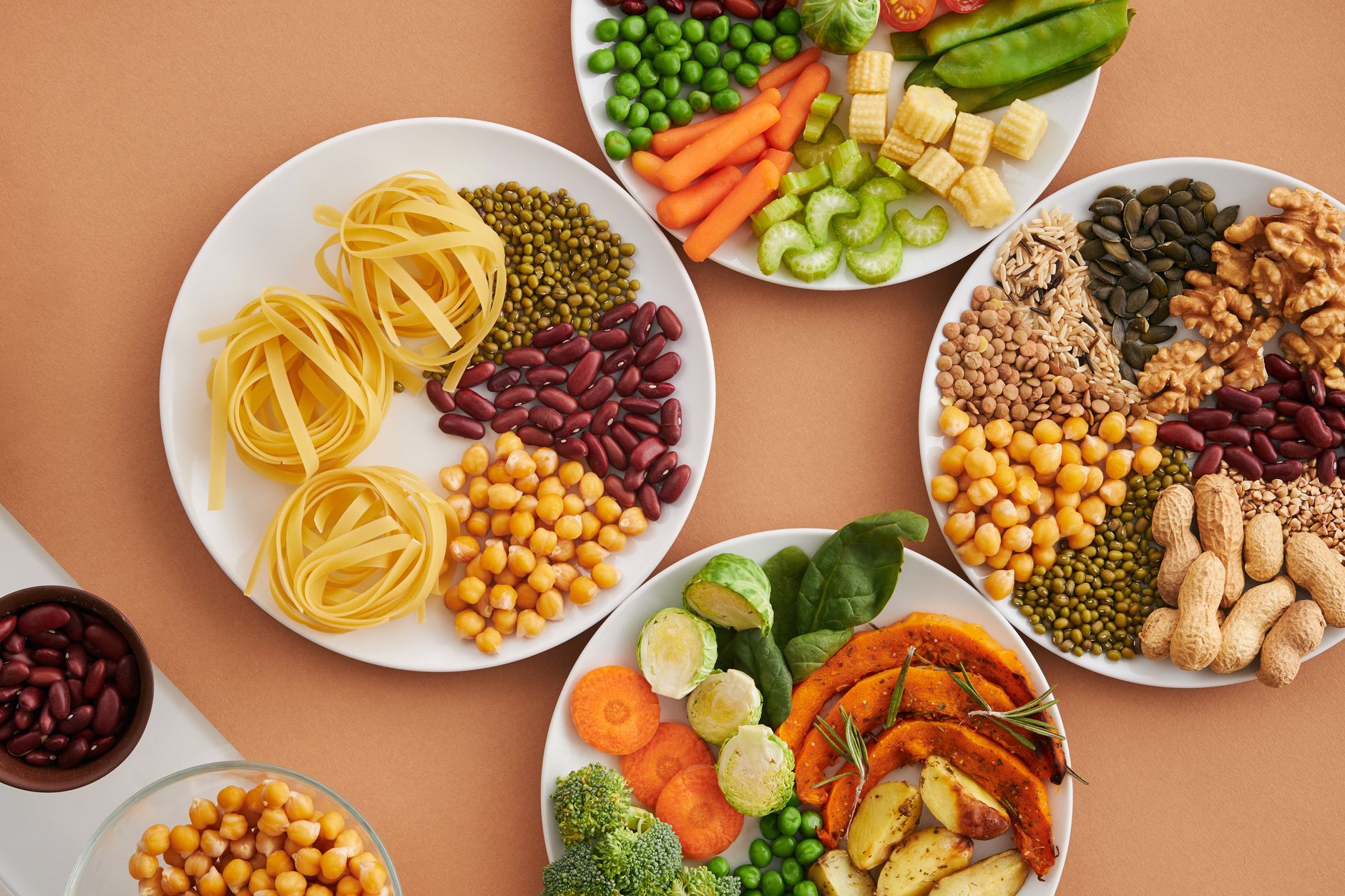
- Protein: roughly 1.6-2.0 g per kg of bodyweight per day, spread across three or four meals. For most adults that is 100-150 g daily.
- Fat: 0.8-1.0 g per kg, with a meaningful portion from whole-food sources (eggs, dairy, oily fish, olive oil, nuts, avocado). Sex hormones are made from cholesterol; chronically low fat eating is one of the cleanest libido suppressors there is.
- Carbohydrate: enough to support training. For three sessions a week of moderate volume, that is usually 3-5 g per kg. Going low-carb while lifting hard is feasible but tends to come at the cost of evening libido and morning erections.
- Calories: at least at maintenance. Aggressive cutting and libido do not coexist well.
Hydration matters more than supplements. Three to four litres of water a day, more on training days, more in summer.
Recovery as part of the protocol, not after it
The work of lifting happens at rest. The recovery levers that move libido alongside the training:
- Seven to nine hours of sleep, in a dark, cool room
- One full rest day a week with no training
- One light week every six to eight weeks where you cut volume by a third
- Daily walks on rest days; not full rest, just lower intensity
- Stress management that is not entirely lifting — the gym is not the only nervous-system tool you need
- Sex itself, which is part of recovery, not a separate category
Specific notes by group
Men in their 30s and 40s
This protocol is genuinely the most reliable testosterone-protective and libido-protective intervention you can do at this stage. It will outperform any "T-booster" supplement and most TRT clinics' first recommendations. Three sessions a week, eaten well, slept on, for six months, and the changes are usually obvious.
Women, premenopausal
Lifting does not "make you bulky." It will give you visible muscle definition, better posture, easier carrying capacity, and — relevant here — more reliable arousal and orgasm physiology. Pair it with cycle awareness: heavier lifting in the follicular phase, lighter or yoga-oriented work in the late luteal phase if you are sensitive to PMS.
Perimenopausal and menopausal
Strength training becomes non-negotiable, both for libido and for everything else (bone density, glucose handling, falls prevention, sleep). Add 5-10 g of creatine monohydrate daily — the evidence in this demographic is genuinely strong for cognition, mood, and muscle maintenance, all of which feed libido.
Postpartum
Start with pelvic-floor physiotherapy, then breath-led core work, then bodyweight, then loaded patterns. Twelve weeks minimum before resuming heavy lifting. Rushing this protocol is one of the most common causes of long-term pelvic-floor dysfunction.
What to do if you have not lifted before
The simplest possible start, if "three sessions a week of full-body work" sounds like another planet:
- Two sessions a week. Twenty-five minutes each. Five exercises: squat, hinge, push, pull, carry.
- Start with bodyweight or the lightest plausible weight.
- Do this for four weeks before adding anything.
- Then add the third session.
- Then start nudging the loads up.
By month three you will not recognise the body that started, and not because it looks different — because of how it feels to live in. That feeling is what shows up in the bedroom.
The bottom line
If you want to do one thing for your libido that requires no prescription, no supplement, and no relational rearranging, lift weights three times a week, eat enough protein and fat, sleep seven hours, and walk on the off days. Six months. The literature, the clinical experience, and the people who actually do it all say the same thing: it works.
If you have any cardiovascular condition, a recent injury, are postpartum within 12 weeks, or have not exercised in years, get clearance from a physiotherapist or your GP first. The protocol is safe; starting it badly is what hurts people.