Of all the patients I see for "low libido," a meaningful fraction are not low-libido — they are exhausted. And of those, a large proportion turn out to have low iron stores that nobody has looked for in years. Ferritin is one of the cheapest, most useful blood tests in this whole space, and one of the most underordered. If your sex drive is flat and you also feel tired, this article is for you before any supplement aisle is.
Iron, ferritin, and what those numbers mean
Iron lives in the body in a few places: in haemoglobin (which carries oxygen in red blood cells), in muscles, and as stored iron, which is bound up in a protein called ferritin. When iron supply drops, the body uses storage iron first. Ferritin falls. By the time haemoglobin starts to drop and a "full blood count" looks abnormal, you have been depleting your stores for months or years.
This is why the standard "your blood count is fine" reassurance often misses the issue. You can have a normal haemoglobin and a ferritin in the gutter, and feel awful.
For symptomatic adults, especially women, a useful target is ferritin above 50, often above 75. The lab "normal range" sometimes goes as low as 13. A ferritin of 18 is technically "in range" and clinically often the reason someone feels half-alive.
Why low iron flattens libido
Iron is required for oxygen delivery, energy production at the cellular level, dopamine and serotonin synthesis, thyroid hormone production, and the regulation of menstrual cycles. When stores drop, all of those degrade quietly. The pattern is recognisable:
- Persistent tiredness, especially in the late afternoon
- Cold hands, feet, and nose
- Hair shedding more than usual
- Brittle nails, sometimes spoon-shaped
- Restless legs at night, particularly the lower legs
- Poor exercise tolerance — runs feel harder than they used to, recovery takes days instead of a day
- Mood flatness, irritability, anxiety
- Heavy or longer periods (which are sometimes the cause and sometimes a worsening factor)
- Hair loss patterns matching iron-related telogen effluvium
- And — quietly — a libido that has slipped without an obvious reason
You do not have to have all of those. Two or three plus a flat libido is plenty of reason to test.
Who is most likely to be running low
- People who menstruate. Even normal periods deplete iron; heavy periods do so significantly. Adolescent girls and women through menopause are the highest-risk group.
- Postpartum women, especially those who lost blood at delivery or are breastfeeding. Routine postpartum iron checks are not standard and should be.
- Vegetarians and vegans. Plant iron (non-haem) is less bioavailable than animal iron (haem). It can be done well, but it requires intention.
- Endurance athletes. Foot-strike haemolysis, sweat losses, and gut bleeding from heavy training all add up.
- People with coeliac, IBD, or gut absorption issues.
- Frequent blood donors.
- Anyone with a peptic ulcer or undiagnosed GI bleeding.
The test to ask for
When you book bloods, ask specifically for:
- Full blood count (FBC)
- Ferritin
- Iron studies (serum iron, transferrin, transferrin saturation)
- If symptoms point that way, also: TSH, vitamin D, B12, folate
- If menstruating heavily, ask the GP about the cause as well, not just the consequence
Get the actual numbers, not just "all normal." Bring them back to your GP and ask, specifically, "Is my ferritin in a range you would treat for symptoms?"
Building iron back up: food first
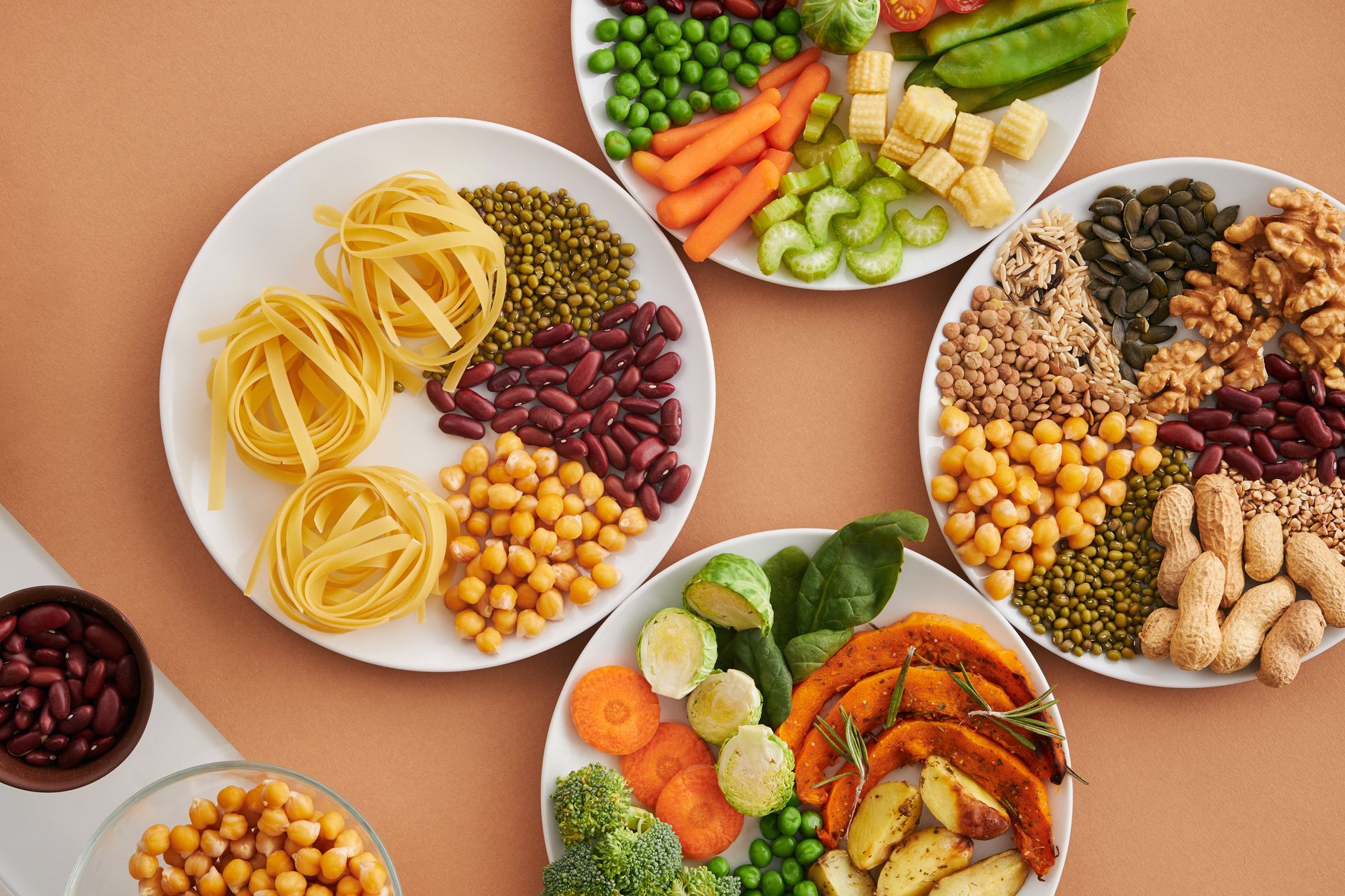
If your ferritin is low but not severely so, food can carry a lot of the load over a few months. The strongest food sources:
- Red meat — beef, lamb, ostrich (excellent in SA), kudu, springbok
- Liver and offal — by far the most iron-dense foods, twice a week is enough
- Oysters and mussels (clams in particular are extraordinary)
- Sardines and pilchards
- Eggs (modest, but consistent)
- Spinach and dark leafy greens, cooked
- Lentils, chickpeas, beans
- Pumpkin seeds, sesame seeds
- Dark chocolate (genuinely)
- Iron-fortified cereals if you eat them
Pair non-haem iron sources with vitamin C — citrus, peppers, tomatoes, strawberries — at the same meal, and you increase absorption substantially. Avoid coffee and tea within an hour of iron-rich meals; the tannins block absorption. Calcium-rich foods (dairy, supplements) compete with iron, so if you take a calcium supplement, take it at a different meal from your iron sources.
Supplementing iron sensibly
If food alone will not get you there, or if your ferritin is in single digits, supplementation is the answer — but how you take it matters more than the brand.
- Form: ferrous bisglycinate is the gentlest on the gut and well-absorbed. Ferrous sulphate is cheaper and effective but causes more constipation and nausea. Iron polymaltose is gentler still but absorbs less reliably.
- Dose: usually 30-60 mg of elemental iron. Higher doses do not absorb better and tend to cause more side effects.
- Timing: every other day is now well-supported by research and is often more effective than daily — the body upregulates absorption between doses, and side effects are halved.
- With what: a small amount of vitamin C (orange juice, a kiwi, a vitamin C tablet). On a relatively empty stomach if your gut tolerates it, with a small meal if not.
- For how long: usually three to six months to fully refill stores. Re-test ferritin at three months. Do not stop just because symptoms have lifted — that lifts when you are out of crisis, not when stores are full.
Iron infusions are a real option for people who cannot tolerate oral iron, who absorb poorly, or whose ferritin is severely low. They are quick and effective. A GP or haematologist can refer.
What it actually feels like when it lifts
The shift on iron repletion is rarely subtle. People come back at three months and describe waking up with energy they had forgotten existed, picking up runs they had given up on, sleeping more deeply, feeling warmer, and — relevant here — noticing that desire has come back without them doing anything else. Patients sometimes describe it as "the lights came back on."
If you do not get that response after three months of correct supplementation and a confirmed rise in ferritin, the issue is something else and is worth investigating further (thyroid, sleep apnoea, depression, perimenopause, B12, ongoing blood loss).
The men in this picture
Adult men outside of endurance sport and GI bleeding are usually iron-replete or iron-overloaded. Iron deficiency in a male patient prompts a search for cause — typically a GI source — before supplementing. Do not put men on iron because of "tiredness" without bloods. The cause matters more than the number in this group.
The relationship between iron and the cycle
If your periods are heavy, treating low ferritin is a band-aid; the cycle itself often deserves investigation. Common drivers of heavy bleeding worth a workup:
- Fibroids
- Adenomyosis
- Thyroid dysfunction
- Bleeding disorders
- Coil-related bleeding (the copper IUD specifically)
- Polyps
A pelvic ultrasound, a thorough cycle history, and an iron panel together usually find the answer. Sometimes the fix is hormonal, sometimes structural, sometimes simply a switch in contraception.
The bottom line
If your libido is flat and you are tired, ask for a ferritin before you ask for anything else. The cost is small, the answer is often clarifying, and the fix is one of the most rewarding interventions in medicine. Energy and desire are linked more tightly than wellness culture admits, and iron is one of the cleanest places to start.
Do not self-diagnose and self-supplement long-term without bloodwork — too much iron is its own problem and a real risk in some populations. Get tested, treat what is actually low, retest, and stop when stores are full. That is the whole protocol.