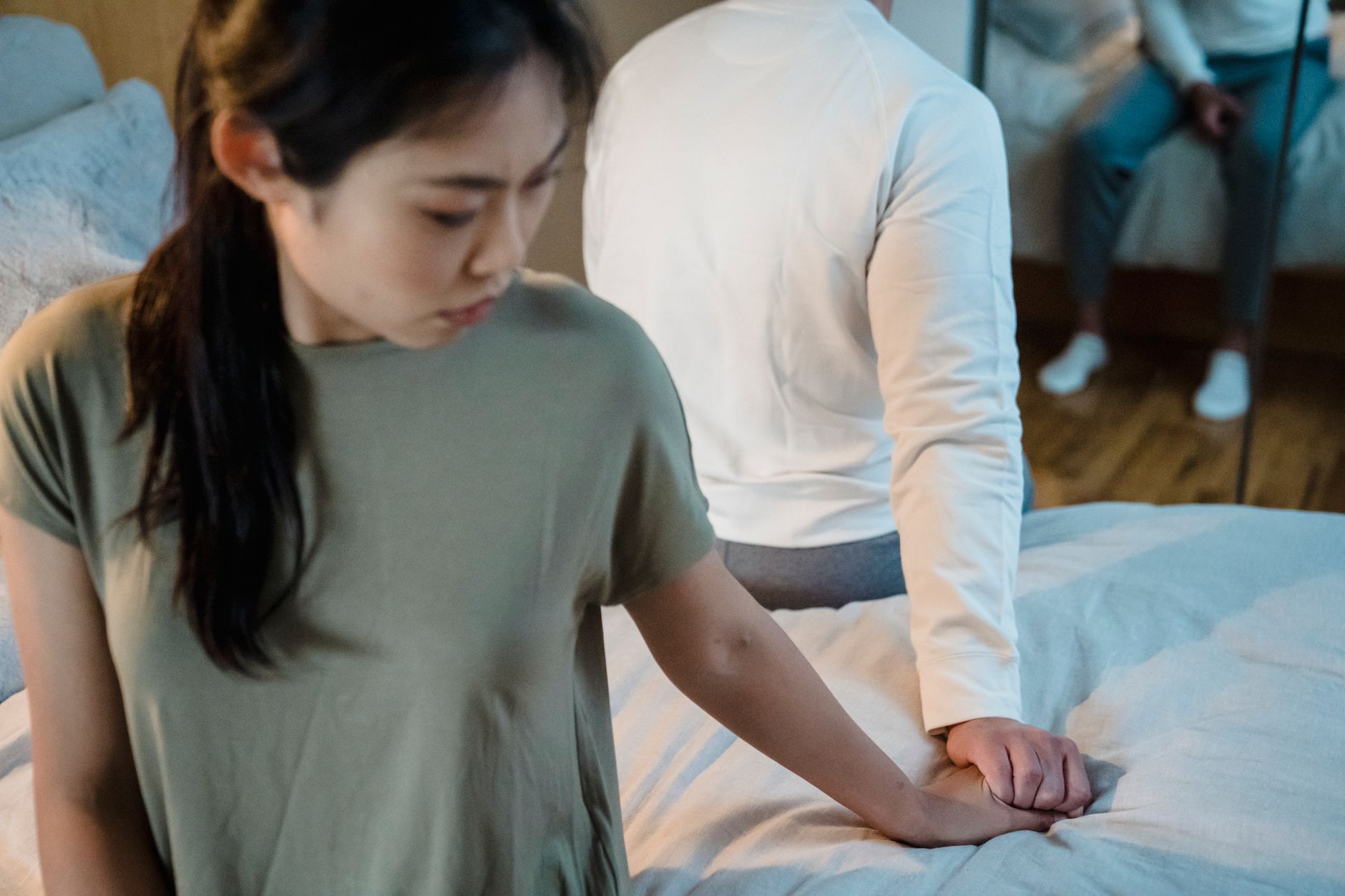
There's a particular state long-term couples drift into where everything looks fine. You're affectionate. You're functional. You raise children together, run a household together, watch the same shows. Friends describe you as a great couple. And somewhere in the middle of it, the erotic charge has quietly evaporated. You love each other; you don't really want each other anymore.
This is the roommate phase. It's incredibly common, almost never discussed, and reversible — if both partners actually want to.
What the roommate phase actually is
It's the slow conversion of a romantic-erotic relationship into a companionate one. The care, the comfort, the loyalty are all real. The desire has just gone quiet. Sex either doesn't happen or happens infrequently and feels more like maintenance than connection.
It often happens gradually enough that neither partner notices it as a phase. They notice the symptoms — less sex, less initiating, less physical anticipation — and assume they're just "getting older together" or "it's normal at this stage." Sometimes that's true. Sometimes the relationship has just stopped being tended.
How couples drift into it
The common pathways:
- Children arriving and never quite making it back as a couple after
- Career stress stacking on both sides for years
- Mental load asymmetry turning one partner into a manager rather than a lover
- Resentment that never got addressed dampening attraction one degree per year
- Routine taking over — same time to bed, same activities, same conversations
- Letting yourselves go physically in ways that erode self-perception, not partner-perception
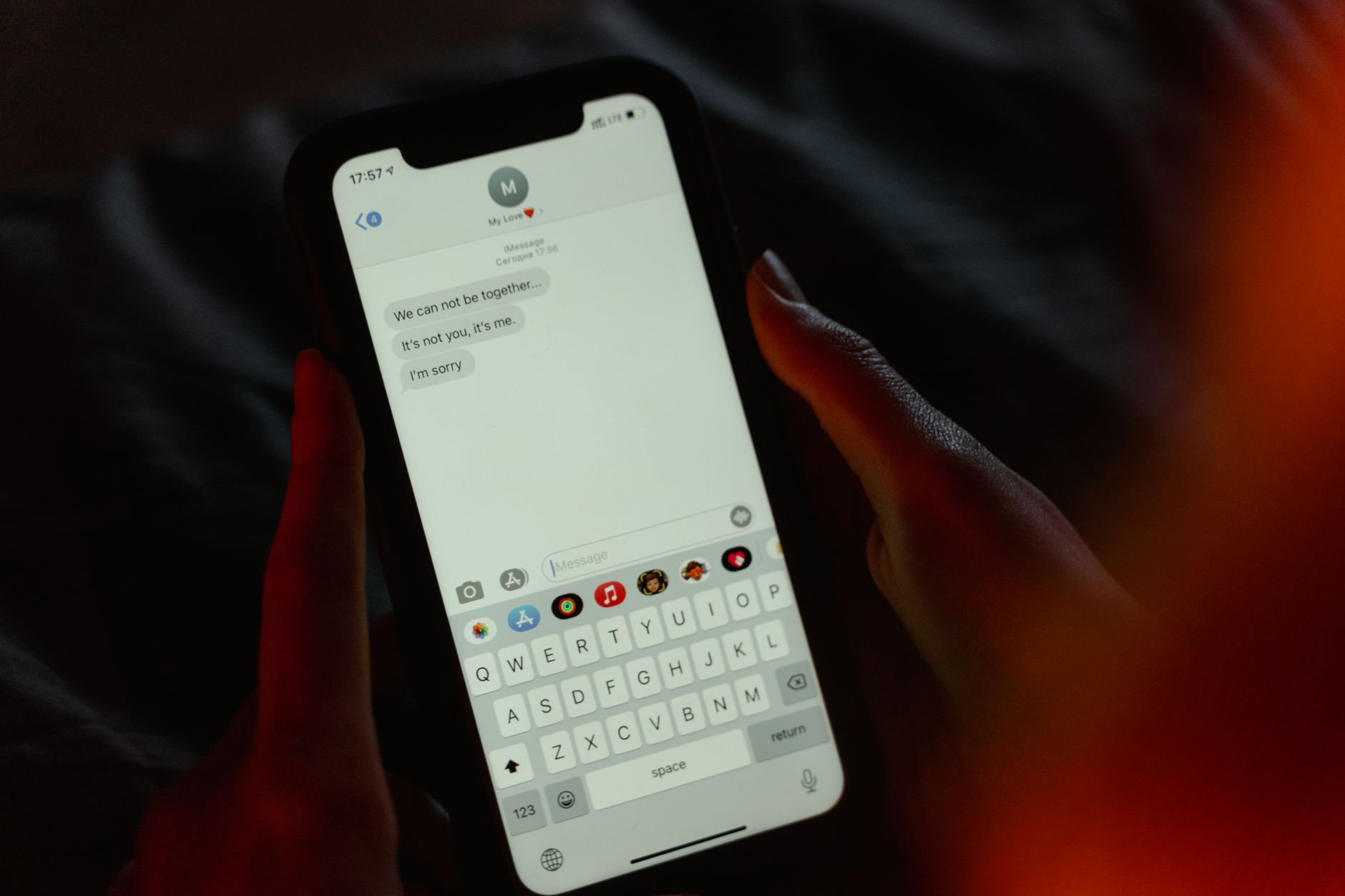
- Phones colonising the bedroom
None of these are anyone's fault, exactly. They're the predictable result of two adults living adult lives without specifically tending the erotic part of the relationship.
The diagnostic checklist
You might be in the roommate phase if most of these apply:
- Sex less than once a month for the last year, and not because of medical issues
- Physical affection has become functional (hugs feel like greeting hugs; kisses feel like polite kisses)
- You discuss bills, kids, schedules — rarely each other
- You go to bed at different times routinely
- You can't remember the last time you flirted in earnest
- The idea of date night feels like another task
- You notice attraction to other people more than to your partner
- You've stopped dressing for them
- "I love you" is automatic; the words have lost weight
If you ticked five or more, the dynamic is real. If you ticked all nine, the phase has been entrenched for a while.
The honest question to ask yourself
Before any conversation: do you want out of this phase? Some couples are content in companionate mode. They prefer the calm. They aren't interested in restarting an erotic dynamic. That's a valid choice.
The trouble starts when one partner is content with companionate and the other is privately starving. That asymmetry is the silent ender of relationships that look perfectly healthy from outside.
So before doing anything, ask: do I want this part of our relationship back? If yes, the next question is whether your partner does too.
What restarting actually requires
Both partners have to want to. One partner trying to single-handedly inject romance into a system the other partner is content with rarely produces results. The conversation is the first move.
If both partners do want to, the work tends to break into three layers:
Layer 1: Reduce the resentment baseline
Most stalled long-term sex isn't really about sex. It's about accumulated grievances that never got named. The mental load. The feeling of being taken for granted. The bid that was missed three years ago that still smarts. Until those are aired and addressed, no romantic intervention will stick.
This is uncomfortable but unavoidable. Couples who skip it and try to "spice things up" usually find the spice doesn't take.
Layer 2: Rebuild the non-sexual physical baseline
The body's responsiveness has been trained out by years of companionate touch. Rebuilding starts with:
- Long hugs, on purpose
- Actual kisses (not the closed-mouth perfunctory kind)
- Holding hands when watching TV
- Cuddling without it being foreplay or a request
- Going to bed at the same time most nights
None of this is sexual. All of it is the substrate sexual desire grows from. Couples who try to jump straight to sex without rebuilding the physical baseline often fail; couples who spend a few weeks on this layer alone often find sex returns without forcing.
Layer 3: Reintroduce novelty and unscheduled time
Once the baseline is warmer, novelty matters. Not big trips — small interruptions of routine. New restaurant, new activity, new role at home, new clothes for each other, weekends with the kids elsewhere, an afternoon together with no plans.
The dopamine of novelty isn't the same as the early-relationship intensity, but it's accessible at any age, and it's part of what keeps long-term sex from becoming flat.
The "manager partner" problem
One partner — usually but not always the one with vulvas — often ends up the relationship's manager: keeping the calendar, knowing the doctor's appointments, remembering the kids' school stuff, planning the meals, anticipating the emotional weather. This role is exhausting and unsexy. The manager partner often isn't experiencing low desire so much as no spare capacity for desire.
Restoring desire in this case isn't about dates and lingerie. It's about redistribution. The non-manager partner taking on real ownership of household and emotional load — not "helping" but actually owning — is one of the highest-leverage moves for restarting a roommate-phase relationship.
What undermines the rebuild
- Trying to fast-forward. The phase took years to build; expecting a fortnight to fix it is unrealistic.
- Pressure on one specific encounter. "We're going to have great sex this Saturday" usually produces awkward, anxious sex.
- One partner resenting the other for the work involved. "Why do I have to do all this just to want my partner?" — sometimes valid, but if both partners want out of the phase, the work is shared.
- Falling back into routine after a brief upswing. Couples who get out of the phase and don't put any system around staying out usually return within a year.
For couples where one partner doesn't want to leave the phase
This is the painful version. One of you misses the erotic relationship; the other is content. The honest options:
- The wanting partner accepts the companionate version and grieves what was
- The not-wanting partner is willing to do some work even though they're personally fine, because the relationship matters
- The couple opens up the relationship to allow erotic needs to be met elsewhere (high-friction option, only sometimes works)
- The relationship eventually ends
None of these are clean. The conversation that surfaces this asymmetry is hard but better than the years of quiet drift that follow not having it.
The bottom line
The roommate phase isn't a death sentence; it's a phase. Couples come out of it regularly when both partners want to, do the work in three layers (resentment, physical baseline, novelty), and put a maintenance system in place to stay out.
The most important question is whether both partners want to leave the phase. If yes, the work is doable. If only one of you wants to, the conversation about that asymmetry is what comes first.
The companionship isn't the problem. The companionship is what makes the rebuild possible. The work is letting the erotic charge come back into a relationship that's already a real foundation.