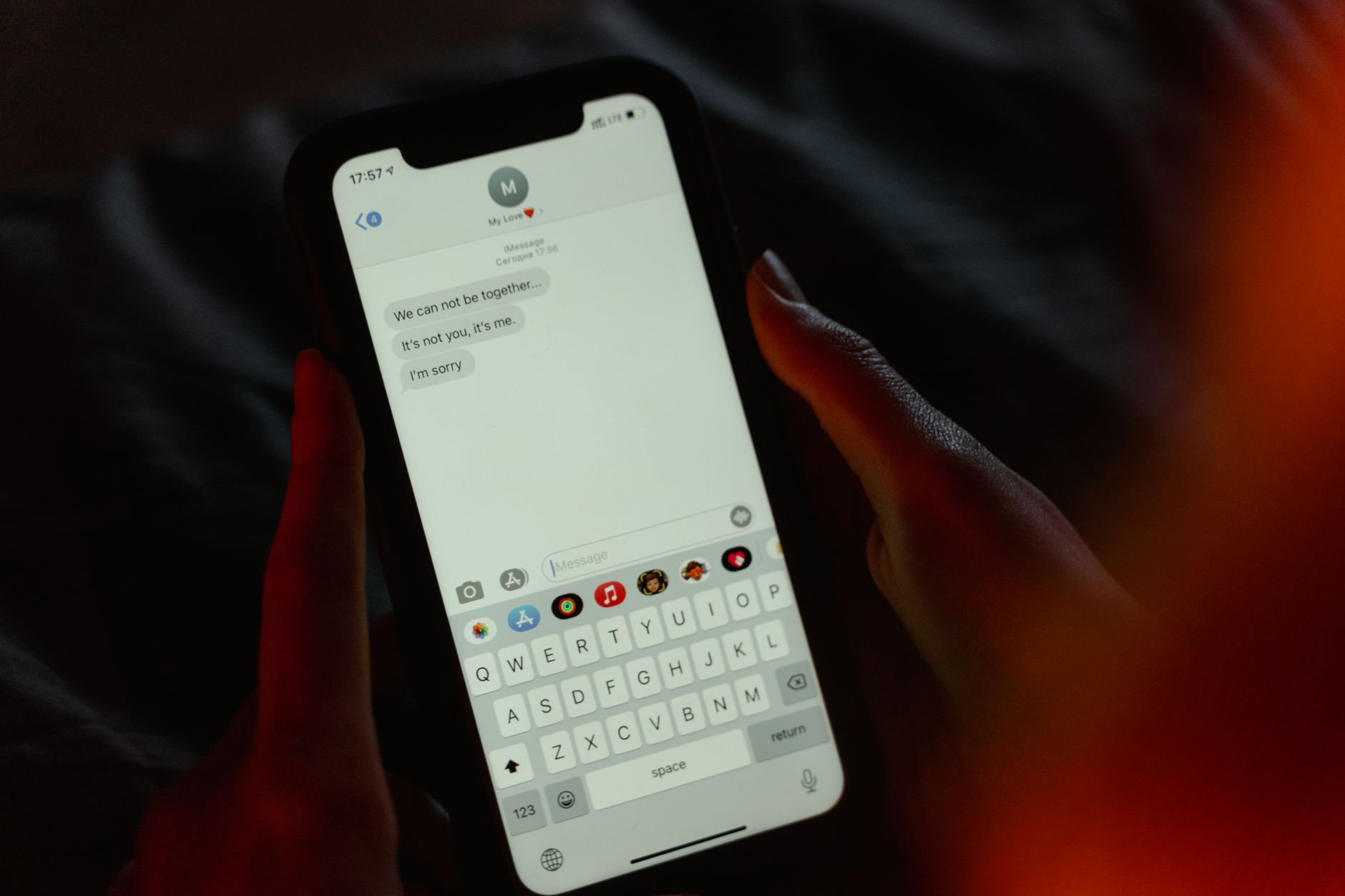
Long-distance relationships have a maintenance problem that short-distance ones don't. The body isn't there. The casual touch isn't there. The "we just had sex this morning" baseline isn't there. What is there: phone calls about logistics, small disappointments, missed time zones, and a slowly building ache that often gets papered over with "we'll be fine when we see each other next."
The relationships that survive this for any length of time are doing specific things. Most of them aren't romantic in the sentimental sense. They're practical, deliberate, and skilled.
What erodes long-distance relationships
Three patterns reliably damage them:
- Going dark for stretches. Three days without proper contact, then a heavy reunion call, then quiet again. The relationship becomes spike-and-quiet rather than continuous.
- Letting the calls turn into status updates. "How was your day?" "Fine. Yours?" "Fine." Repeat. Information transfer without connection.
- Performing the relationship instead of inhabiting it. Forced cute messages, scheduled "I love you"s, sexting that feels obligatory. The forced version is worse than less frequent honest contact.
If any of those describe your last month, the maintenance has been thinner than it should be.
The base layer: continuous low-stakes contact
The most reliable predictor of long-distance relationship health isn't the quality of any single big call. It's the texture of the small contact between them.
The texture that works:
- Photos of small things — what you're eating, what you're seeing, the dog, your shoes
- Voice notes during the day (vastly better than text — voice carries tone)
- "This made me think of you" sends without overthinking the implication
- Quick "good morning, good night" — not as ritual but as actual reach-out
- Sharing what you're listening to, watching, reading
None of this is romantic in the conventional sense. All of it builds the cumulative sense of being in each other's lives, which is the thing distance erodes most.
The middle layer: real conversation
The 20-minute "tell me about your day" call is necessary but not sufficient. Real conversation — the kind that builds intimacy — needs longer, less goal-oriented time. Suggestions:
- Once a week, take 60-90 minutes for a slow call. Not while either of you is multitasking. Not while one of you is in a car. Real time to talk about something other than logistics.
- Have a "questions" rotation. Some couples take turns each week asking each other a question that requires actual thought — anything from "what's been on your mind that you haven't told me?" to "what's the best version of us look like?"
- Watch something together. Streaming services with sync features, or just hitting play at the same time. Shared experiences in a relationship that lacks them are disproportionately valuable.
The erotic layer specifically
Sustaining desire across distance is its own skill. The biggest mistake couples make is treating sexting and video sex as direct replacements for in-person sex — which they aren't, and the gap creates disappointment.
What actually works:
1. Sext with intention, not constancy
Constant low-grade flirty texting becomes wallpaper. Less frequent, more deliberate sexting — when both of you actually have time and attention — produces more charge. One quality exchange per week beats five rushed ones.
2. Voice notes, not just text
A voice note describing what you'd like to do to your partner lands harder than the same words typed. Voice carries breath and tone. A 30-second voice note is sometimes more arousing than a 30-message text exchange.
3. Mutual masturbation by video call
This is the closest available approximation to partnered sex across distance, and a lot of long-distance couples come to value it as its own thing rather than a consolation prize. The watching, the talking, the shared climax — these are real intimacy. Practical privacy: don't record without explicit consent, use platforms you trust, be mindful of cloud-syncing devices.
4. Anticipatory build for reunions
Letting desire build for a few days before a reunion — without releasing it through sexting — produces a different kind of meeting. Some couples use a "sexting fast" in the 3-4 days before they see each other in person, specifically to make the reunion more charged.
5. Solo sex that doesn't always involve them
Counter-intuitive but real: keeping your sexual self alive solo, without making every solo session about your partner via fantasy or messaging, keeps your erotic energy from over-attaching to the absence. Healthy long-distance partners stay sexually alive in their own bodies, not just through the partner.
The reunion problem
One of the under-discussed challenges of long-distance is the reunion. The fantasy version is "we'll spend the entire weekend in bed." The reality is often awkward, exhausting, and over-engineered.
Why reunions can disappoint:
- Both partners have been carrying expectations the actual time can't match
- Bodies that haven't been together for weeks need time to re-attune
- The pressure to "make every moment count" interferes with the relaxation that good sex needs
- One or both partners arrive exhausted from travel
Couples who handle reunions well usually:
- Don't try to have sex in the first hour
- Eat together, walk together, talk before any sexual activity
- Sleep in the same bed for a night before bigger expectations
- Allow some of the visit to be ordinary — running errands, watching something — rather than treating it all as event
The honest conversation about what's working
Once a month or so, couples in long-distance benefit from the explicit check-in: "How are we doing? Not the logistics — us. What do you want more of? Less of?"
The conversation isn't always sexy. Sometimes it surfaces that one of you is feeling lonely, that the texts have been hollow, that the last reunion was disappointing. But unspoken disappointments accumulate into ruptures faster in long-distance than in proximity. The conversation prevents that.
For couples with no end date in sight
Long-distance with a clear end (one of you moving in 6 months) is sustainable. Long-distance indefinitely is much harder. The couples who manage indefinite long-distance for years usually have at least one of these:
- An agreed structure (visits every 6 weeks, holidays together, regular calls)
- Ethical non-monogamy or some agreed accommodation around physical needs
- A shared project or future that gives the gap meaning
- Independent emotional support networks so the partner isn't carrying every need
Without at least one of those, indefinite distance erodes most relationships within 18-24 months.
For the partner doing more of the maintenance
If you're consistently the one initiating contact, planning visits, reaching out — that imbalance is worth raising. Long-distance relationships fail more often from quiet asymmetric effort than from any visible problem. "I notice I'm doing most of the reaching. I want to feel reached for too." Said early and softly, this resets the pattern. Said years later, it's already corroded.
The bottom line
Long-distance sex isn't second-best partnered sex. It's a different practice with its own skills: continuous low-stakes contact, real conversation alongside logistics, deliberate erotic exchange, and reunions that don't try to do too much.
Couples who understand that distance is a maintenance problem, not a faith problem, tend to weather it. Couples who keep waiting for the next visit to make everything okay tend to drift apart in the gap.