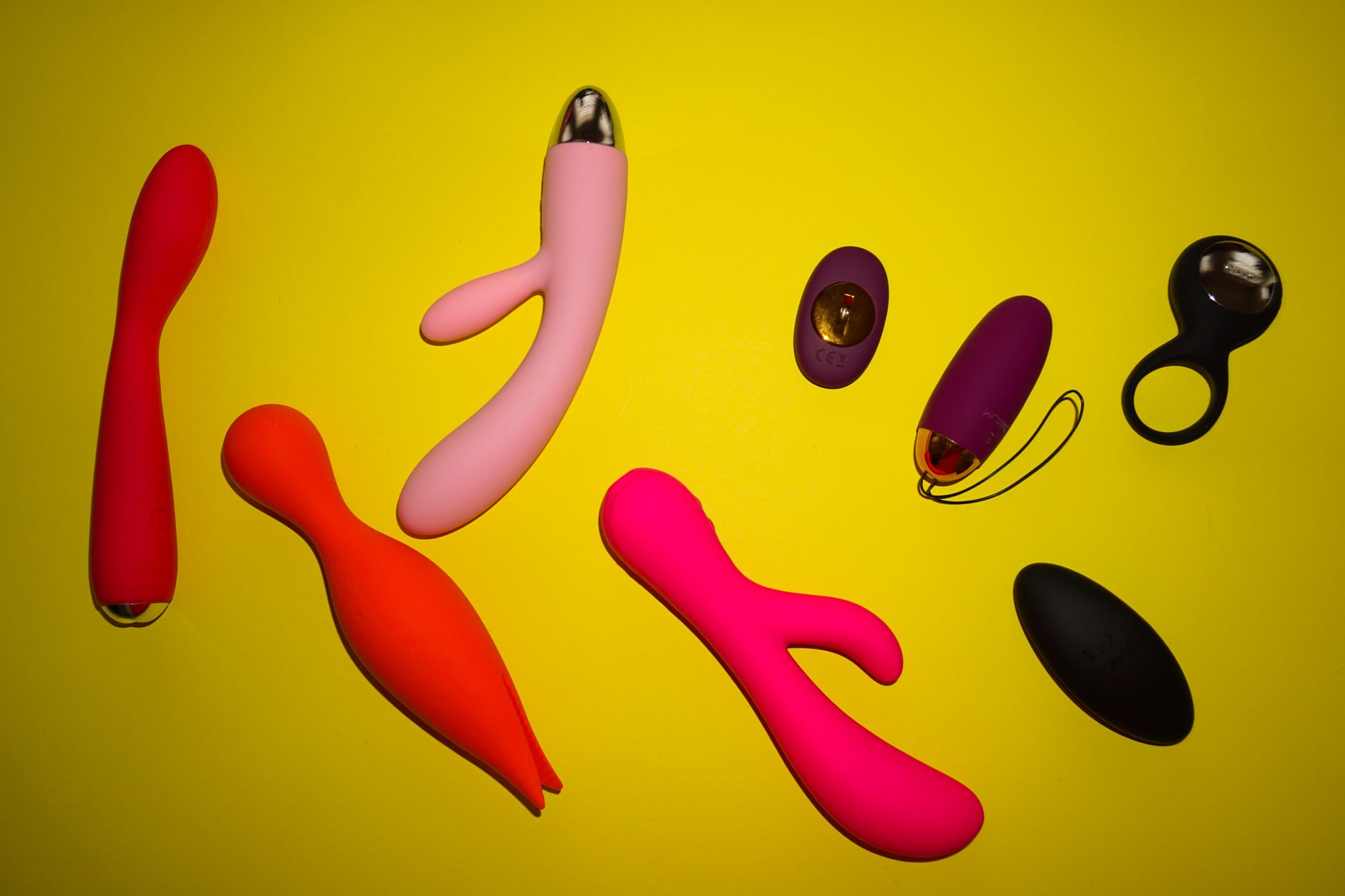
Storage is the unglamorous half of toy ownership and the part that decides whether the toys actually get used. Toys hidden too well don't get reached for. Toys stored badly degrade silicone, snap charging cables, and pick up dust on lubed surfaces. Toys visible to roommates, parents, or curious children create awkward conversations nobody wanted. The good news: a small amount of intentional storage solves all three problems for years.
This is the guide to keeping toys discreetly, hygienically and within actual reach.
The three jobs storage has to do
Before buying anything, name the actual job:
- Privacy. Out of sight from a flatmate, parent, child, cleaner or guest who shouldn't see them.
- Hygiene. Clean, dry, dust-free, separated from materials that could degrade silicone.
- Accessibility. Reachable from the bed without standing up, getting dressed, or breaking the moment.
Most failures come from solving one job at the expense of the others. The locking case in the wardrobe in the spare room is private but inaccessible. The bedside drawer is accessible but visible to anyone opening it. A good system handles all three.
Hygiene fundamentals first
Whatever the storage solution, a few rules:
- Dry fully before storing. Wet silicone in a closed bag breeds mould. Air-dry on a clean towel for at least an hour after washing.
- Separate silicone toys from each other. Some silicone formulations bond when stored pressed together long-term — they fuse, warp, or pick up colour from each other. Each silicone toy gets its own pouch or compartment.
- Keep batteries out of stored toys. Battery toys left with cells inside can leak corrosive fluid into the motor. Remove batteries from anything not used in the last week.
- Don't store with lube on the surface. A toy still oily with lube attracts dust and degrades materials. Wipe down before storing.
- Avoid extreme temperatures. Direct sun, near radiators, in unheated outbuildings. Silicone is fine in normal room conditions; extremes shorten its life.
The basic kit
Individual fabric pouches
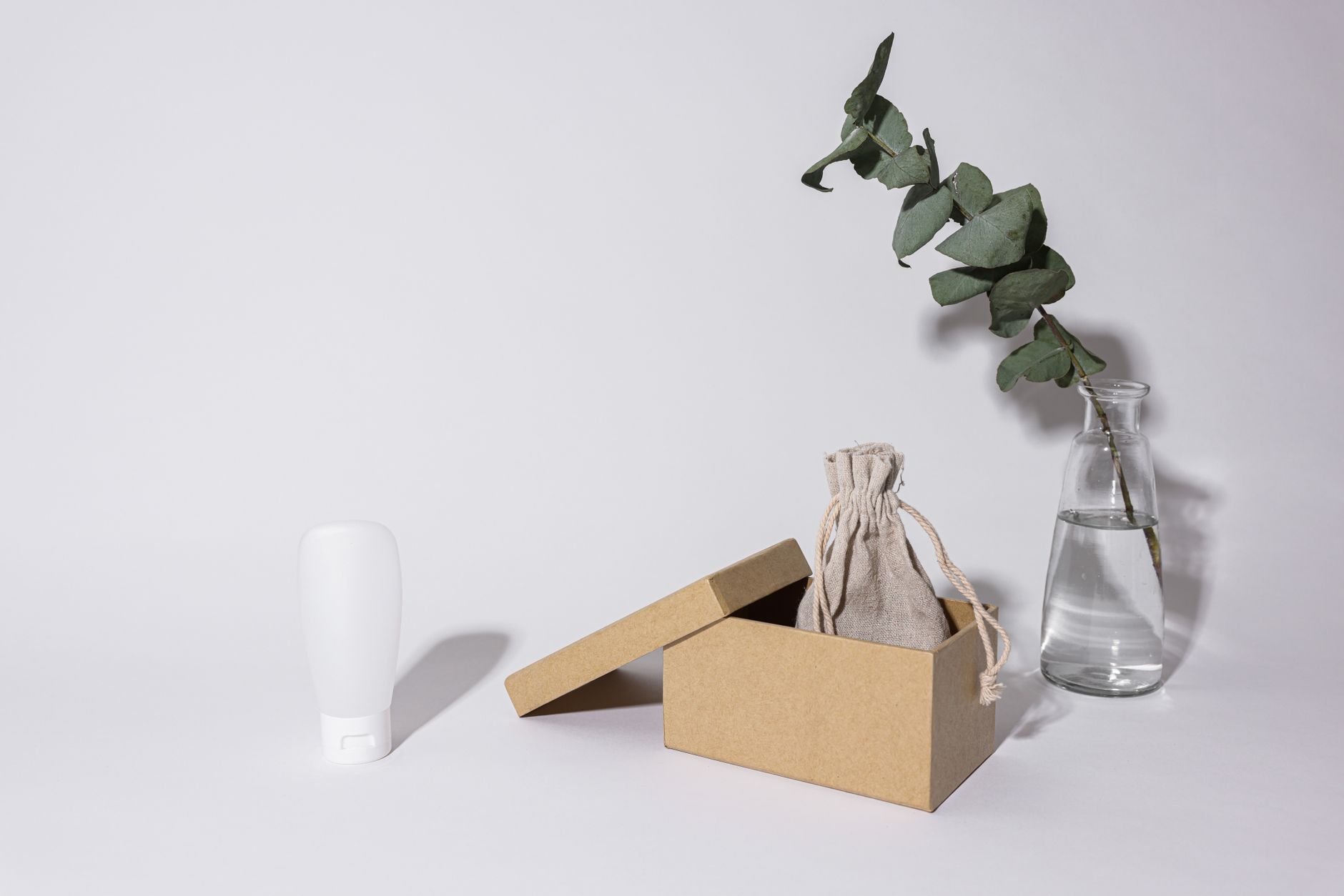
The single most useful piece of storage kit. A simple drawstring cotton or microfibre pouch — like the kind that comes with sunglasses or jewellery. Most premium toys ship with one; you can also buy them in packs for a few rand each.
Each toy goes in its own pouch. This solves the silicone-bonding problem, keeps dust off, and makes a drawer of toys look like a drawer of bags.
A larger main container
The pouches go inside a larger box, bag, or drawer. Options:
- A fabric makeup bag or cosmetic case. Cheap, anonymous, easy to grab. Most flatmates won't open a friend's makeup bag.
- A small wooden or fabric storage box. Looks like a generic storage box. The Joyboxx is one branded option; an IKEA fabric storage box is a cheaper one.
- A dedicated drawer or part of a drawer. Free, doesn't shout "sex toys."
Locking storage
For households where genuine privacy matters — kids in the home, roommates with a key, parents you're living with again — a locking case is worth it.
Lockable toy bags
Fabric bags with a lockable zip. Brands: Lockable Sex Toy Storage Bag (multiple generic versions), Devine Toy Bag. R250-600. Light, soft-sided, easy to slide under a bed or into a wardrobe. Less secure than a hard case but enough to deter casual snooping.
Hard-sided locking cases
Plastic or metal cases with combination or key locks. R400-1500. More serious privacy. Look like generic storage cases. Worth it if there's a real concern about kids exploring or roommates being intrusive.
Lockable bedside boxes
Small lockable boxes designed to live discreetly on a bedside table or in a drawer. Higher-end versions look like generic jewellery boxes. R600-1500.
The combination question
Combination locks are easier than keys (no key to lose, no key to be found) but pickable by determined humans. Key locks are more secure but the key has to live somewhere. For most households, combination is the right balance.
Where to put the storage
The hiding spot matters more than the box. Common options ranked by accessibility:
Bedside drawer
Most accessible. Use only if you can be confident no one opens it (cleaners, partners, kids, guests staying over). A locking pouch inside the drawer adds a layer.
Under-bed storage
A flat fabric storage container designed for under-bed use. Out of sight, accessible from bed, anonymous-looking. The most common compromise position for shared homes.
Bedroom wardrobe / dresser
A box on a high shelf or in the back of a drawer. Less accessible mid-session but more private. Works well if you can plan ahead.
Suitcase / luggage
A locked or zipped suitcase in the wardrobe. Private, but not bedside-accessible. Better for long-term storage than active use.
Don't use
- Bathrooms. Humid, mouldy, ventilated to other parts of the house
- Living rooms. Even hidden well, the wrong person finding them is much worse here
- The kitchen. Just no
Travel and away-from-home storage
Different problem, similar solution. A small zipped pouch (lockable if you want), separated from the rest of the suitcase, with a few key practices:
- Remove batteries before flying. Vibrating toys with cells inserted can switch on inside a bag from pressure changes — embarrassing at customs and a battery-life issue.
- Keep silicone toys out of direct sun in cars. A hot car for hours warps silicone.
- Carry-on for premium toys. Checked luggage gets thrown around. A R3000 Lelo deserves not to be slammed by a baggage handler.
- Tape seams of cases shut for international travel. If a case opens during transit, gravity sorts the rest out.
For TSA and international customs: sex toys are legal in almost all destinations. They're rarely commented on. The exception is some Middle Eastern and Southeast Asian countries — check destination law before flying. Saudi Arabia, the UAE and Malaysia have all confiscated them in the past.
The roommate scenario
Specific advice for shared housing:
- Locking storage is genuinely worth it — flatmates are curious and bored on average
- Don't store toys in shared cupboards or shared bathrooms
- If your room has a lock, use it when toys are out for cleaning
- Cleaning toys in a shared bathroom: do it during a shower, take everything back to your room before leaving
The parents-and-kids scenario
The stakes are higher and the answer is locking storage, full stop. Specifics:
- Hard-sided locking case, not a fabric bag
- Out of reach (top of a high wardrobe, locked drawer)
- Combination, not key — kids find keys
- If a child does find toys: brief, calm, age-appropriate explanation. "These are something only adults use, they're not for kids, please don't touch them again." Most kids accept this and move on.
The visiting-family scenario
Mum is staying for the weekend. The rules:
- Charging cables go away. They're the most identifiable part of any toy.
- Anything in the bedside drawer comes out — guests and cleaners do open these.
- Wash and dry everything before stowing for the week — coming back to a still-damp toy ruined silicone is a real and avoidable annoyance.
- If the visit is a longer one, store the whole kit in a luggage piece, locked, in a wardrobe.
Charging cables and accessories
The forgotten part. A bag of unidentified charging cables in a drawer is a giveaway. Coil and store cables with their toys, not in a separate "miscellaneous cables" stash. Magnetic charging docks (the kind several modern toys use) look generic enough to live on a desk; USB-direct cables are usually obvious.
What about the hygiene question over time?
Even well-stored toys benefit from a refresher wash before use if they've been in storage for over a month. Dust gathers, fabric pouches release tiny fibres, and lube residue (even thin) oxidises slightly. Quick wash, dry, use.
Silicone toys can be boiled for 3-5 minutes (if seamless and motor-free) for full sterilisation between long pauses or after illness. Most other materials get the soap-and-water treatment.
The "what if I'm hospitalised" question
Slightly morbid but reasonable to think about. If something happens and someone you trust has to enter your home, where would you want them not to find toys? Most people answer "nowhere obvious." A locked case in a wardrobe handles this without anyone needing to think about it. Some users keep a written note with their executor or trusted friend specifying that a particular box can be discarded unopened in a worst-case scenario. This is the unsexy version of estate planning, and it's a one-line addition to a will or letter of wishes.
The minimalist storage system
For most people, this is enough:
- One small fabric pouch per toy
- One under-bed or in-drawer box (lockable if needed) holding all the pouches
- Lube and condoms in a separate small bag or on a high shelf, not in the toy box (lube spills)
- Charging cables coiled with their respective toys
That's R200-1500 of storage that lasts indefinitely and handles most living situations.
The bottom line
Discreet storage isn't paranoid — it's how toys stay clean, available and not the subject of an awkward conversation. Pouches solve hygiene; a box solves organisation; a lock solves privacy. Pick the level you actually need, set it up once, and the system runs in the background of your sex life rather than getting in the way of it.
The best storage is the kind you don't think about. Set it up properly the first time and you can stop thinking about it altogether.