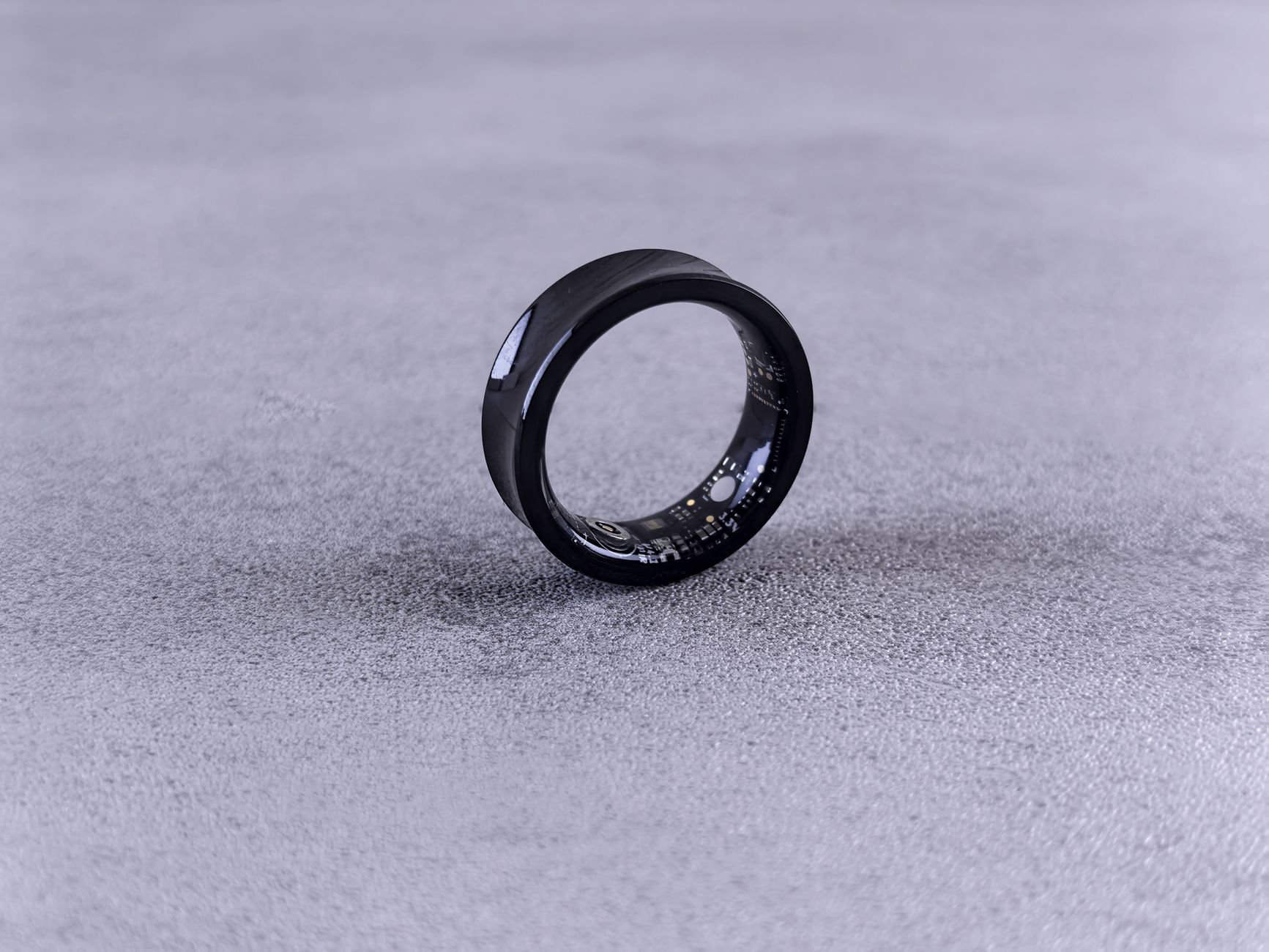
Cock rings are one of the simplest and most underused additions to adult sex. They've existed for centuries in various forms, work via straightforward mechanics, and provide real benefits when used correctly. They also have specific safety rules that nobody talks about until something goes wrong. Both halves of that — the genuine usefulness and the simple rules — are worth knowing.
What they actually do
A cock ring sits at the base of the penis, restricting the venous outflow of blood from the erect tissue. Blood still flows in (arterial inflow is harder to restrict), but the blood that's there has a slightly harder time leaving. The result:
- Erection is firmer than it would be otherwise
- Erection lasts longer because the natural detumescence is slowed
- Sensation in the penis is sometimes heightened (engorged tissue is more sensitive)
- Erection is more reliable for users who lose firmness during longer encounters
The effect is real but modest. A cock ring doesn't transform a soft erection into a steel one — it makes a normal erection slightly firmer and longer-lasting.
Who benefits
- Users who get fully erect but lose firmness during longer sessions
- Users with mild erectile difficulties (consult a GP if it's significant — a ring isn't a substitute for proper assessment)
- Users who want the slightly heightened sensation
- Couples wanting to add vibration to partnered sex (vibrating cock rings)
- Users who experience reduced firmness with age and want a low-tech assist
For users with severe ED, cock rings alone usually aren't enough — they're often combined with PDE5 inhibitors (sildenafil, tadalafil) or used as part of a vacuum-assisted device protocol.
The types
Standard rubber/silicone rings
The basic version. A simple silicone or rubber ring slipped on at the base. Cheap (R100-300), simple, effective. Fixed-size, so getting the right size matters.
Adjustable rings
Velcro-closing or snap-fitting rings that adjust to different sizes. More forgiving for fit, easier to remove. Slightly more expensive (R300-600).
Vibrating rings
A standard ring with a small vibrator on top. Provides clitoral stimulation during partnered penetrative sex. The We-Vibe Pivot, Lelo Tor 3, and Hot Octopuss Atom Plus are well-regarded. R600-1500 range.
Steel/heavy metal rings
Solid metal rings. More commitment — they don't stretch, and once on, they're on until detumescence. Some users prefer the firmness and weight; others find them too restrictive. Not for beginners.
Dual rings
One ring around the shaft and one around the testicles, joined. More restrictive, more sensation, more risk of overdoing it. Intermediate-to-advanced, not first-time territory.
How to use one
- Put it on while soft or partially erect. Trying to fit a ring around a fully erect penis is harder and less comfortable.
- Position it at the base of the shaft. Some users prefer it around just the penis; others around the penis and behind the testicles. The latter restricts more thoroughly.
- Check the fit. The ring should be snug but not painful. You should be able to fit a finger between the ring and your skin.
- Time-limit it. See the safety section.
- Remove it before fully detumescing. If you wait until totally soft, the ring becomes harder to slide off comfortably.
The size question
Ring size matters more than people realise. The diameter (when stretched flat) should be:
- Too tight if: the penis turns dark blue or purple, throbs uncomfortably, or feels numb
- Too loose if: it slips off during use or doesn't produce noticeable firmness
- Right if: erection feels firmer, no pain, no colour change beyond slightly redder
Most users start with a 1.5-inch (38mm) flat-diameter ring and adjust from there. Adjustable Velcro rings are the easiest way to find your size before committing to a fixed-size silicone or steel ring.
The safety rules — important
This is the part that gets skipped and shouldn't.
1. Never wear a ring for more than 30 minutes
Restricting blood flow to penile tissue for longer than this risks tissue damage. The standard rule across all medical and toy-industry guidance: 20-30 minutes maximum, and remove if there's any pain, numbness, or significant colour change.
2. Remove immediately if you experience:
- Significant pain
- Numbness
- Bluish or purplish colour
- Coldness in the penis
- Difficulty getting the ring off
3. Don't use solid metal rings unless you know what you're doing
Metal rings can't be cut off in an emergency without a hospital trip. Beginners should stay with silicone, rubber, or adjustable rings until they know their fit.
4. Never sleep wearing a ring
Even a "comfortable" ring can cause problems if worn through nocturnal erections during sleep. Remove before bed.
5. Don't combine with PDE5 inhibitors without caution
If you use sildenafil or tadalafil, the ring's effect is amplified. Be more conservative with timing.
6. The trapped-blood emergency
If a ring becomes stuck or the penis won't detumesce after removal:
- Don't panic
- Apply ice/cold to reduce swelling
- Try to slip the ring off with lubricant
- If unsuccessful within an hour, go to an emergency department
- Steel rings stuck on require medical equipment to remove safely
This sounds dramatic; it's also the realistic version. Cock ring emergencies are rare but real, and they're avoidable with sensible use.
Using during partnered sex
The ring goes on before sex starts. Keep an eye on time — it's easy to lose track during longer encounters. A vibrating ring also adds clitoral stimulation if positioned correctly (motor on top, against the partner's body during penetration).
If you orgasm while wearing the ring, sensation is often more intense due to the engorged tissue. Some users find this dramatically pleasurable; others find it overwhelming.
Common mistakes
- Buying too small. The "average" advertised sizes often skew small. Adjustable first, sized rings second.
- Wearing too long. Excitement during sex makes time pass; a 20-minute ring becomes a 50-minute ring without anyone noticing.
- Using metal as a first ring. No emergency exit. Always start with silicone.
- Combining a ring with multiple performance enhancers. PDE5 + ring + alcohol + cocaine is the recipe for a priapism (prolonged painful erection requiring medical intervention). One enhancement at a time, please.
- Not telling your partner. If you have an erection-related medical event during sex, your partner needs to know what's happening to help. Not a surprise, just calmly mentioned.
For partners
If your partner uses a cock ring:
- Know what you're seeing — slightly engorged, slightly redder is normal; significantly purple is not
- Help with timing — phones often have a timer; use it
- Don't pressure them to leave it on longer than they want
- If something goes wrong, ER, no embarrassment — they've seen this before
The bottom line
Cock rings are one of the simplest, most useful tools in adult sex. They produce firmer, longer-lasting erections via straightforward mechanics, and they pair well with vibration for couples' use. The catch is the safety rules — 30-minute maximum, never sleep in one, no metal for beginners, and remove immediately if anything feels wrong.
With sensible use, they're a genuinely useful addition. Without it, they're one of the few adult toys that can produce a real medical emergency. The rules aren't overcautious — they're how you keep this fun.