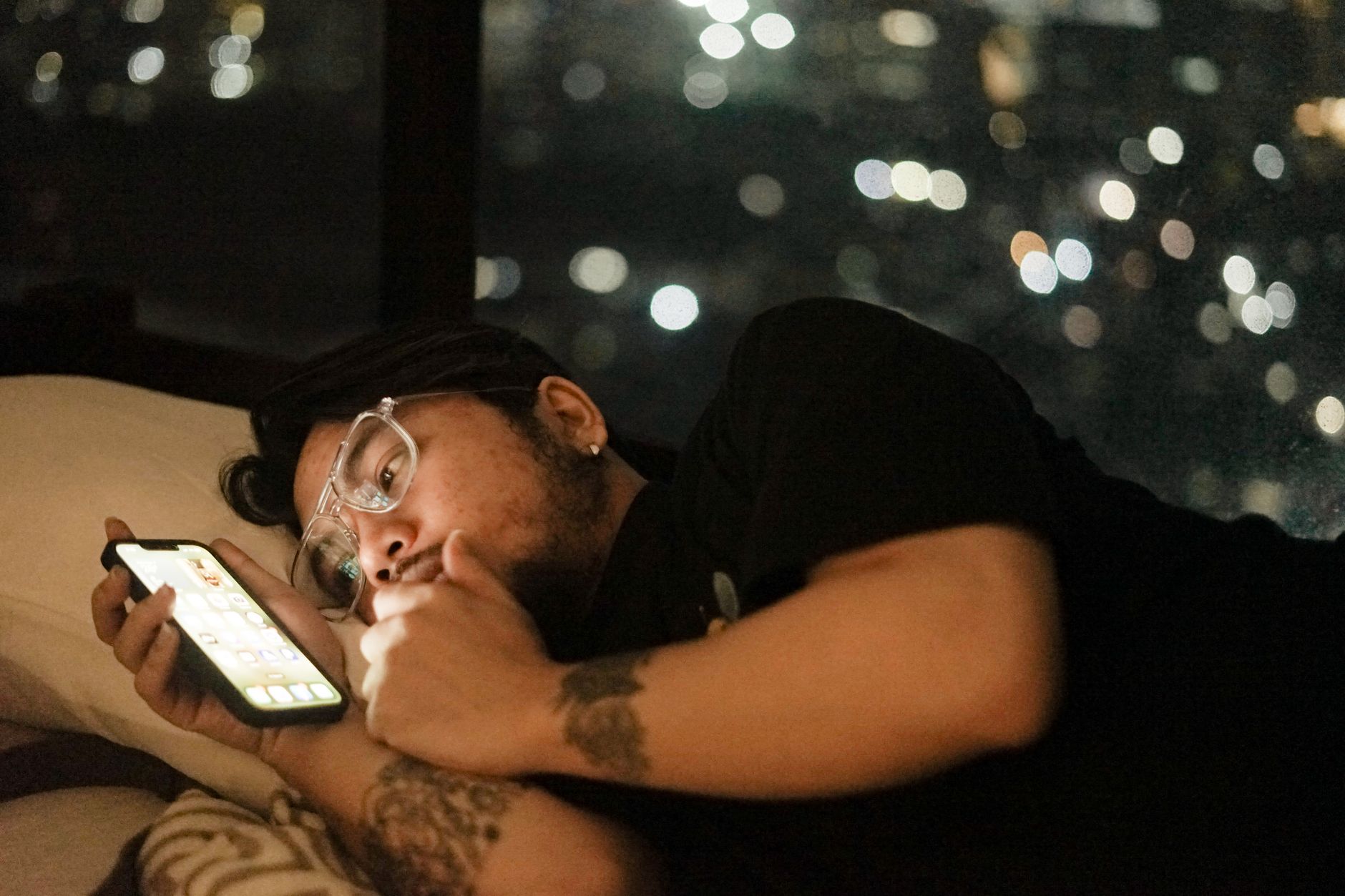
Dating app burnout is now a recognised pattern. Adults who've been on apps for years (or sometimes just months) reach a point where the swiping has lost meaning, the conversations feel templated, the actual dates have stopped happening, and the apps themselves have become a kind of ambient frustration. The exhaustion is real, the exit is available, and the recovery doesn't usually require giving up on dating altogether.
What burnout looks like
The signs:
- You swipe more out of habit than interest
- Conversations rarely lead to dates and you've stopped expecting them to
- You feel a low-grade frustration after using the app
- You've started to view all matches with suspicion or fatigue
- The "let me check what's new" check has become reflexive rather than intentional
- You feel worse about yourself after using the app than before
- You've had several disappointing or strange dates that left you cynical
- You're using multiple apps and they all feel the same
- You've started ghosting more or expecting to be ghosted
If three or more describe you, you're in burnout territory.
What's driving it
Several patterns produce burnout:
The asymmetric attention economy
Most apps deliver wildly uneven attention — top profiles get most matches; everyone else gets few. The user experience of "I'm getting nothing" is mathematically real, not a personal verdict.
The conversion failure
The pipeline from match to conversation to date to second date to relationship has steep drop-offs at every stage. Users who've cycled through many matches realise the conversion rate is far lower than apps imply. This is genuinely demoralising over time.
The performance demand
Apps require ongoing self-presentation — updated photos, witty bios, witty messages. The performance is exhausting, and the return on the performance is often minimal.
The bad-date accumulation
Users who've had several disappointing in-person dates start protecting against more disappointment by lower-effort engagement. This becomes self-fulfilling — lower effort produces less promising connections.
The dehumanisation drift
Treating people as tiles to swipe through eventually changes how you think about people generally. Users who've been heavily on apps sometimes notice they've started seeing strangers in real life through a swiping lens. This isn't healthy.
The notification dependence
The intermittent reinforcement of new matches and messages produces low-level addiction. The compulsion to check is uncomfortable; quitting feels like missing something.
The first intervention: a break
Before deciding whether to delete the apps entirely, try a deliberate break:
- Two weeks minimum — long enough for the compulsion to fade
- Delete from your phone (not just hide; delete) — friction matters
- Notice what comes up — boredom, restlessness, FOMO, relief
- Do something else with the time — anything else, but in-person social activity if possible
Two weeks reveals whether you actually want to be on the apps or just feel like you should be. Many users come back after two weeks and find the apps significantly less compelling.
If you decide to come back, return differently
Burnout often comes from how you've been using the apps, not from the apps inherently. The recovery options:
Use only one app
Multiple apps multiply the cognitive load without proportionally improving outcomes. Pick one, delete others.
Set time limits
Phone time-limit features for dating apps. 15 minutes a day is plenty; 30 minutes is too much. Anything beyond that is mostly compulsive.
Skip the casual swiping
Open the app only when you have time and intent to message. Don't swipe in idle moments — that's where the dehumanisation happens.
Be more selective
Counter-intuitive: swiping right less often often produces better matches. The algorithms favour users who are picky; pickier swiping signals higher-quality interest.
Move quickly to in-person
The apps' value is the introduction. Long messaging exchanges that don't lead to meeting are usually wasted. Aim to suggest meeting within a few days of matching, not weeks.
Accept low conversion
Even with good practices, most matches don't become dates and most dates don't become relationships. Calibrating expectations downward reduces the disappointment that drives burnout.
Or: leave them entirely
Some adults find that leaving dating apps entirely is the healthier move. The alternatives:
In-person meeting
Dating still happens in person. Bookstores, gyms, classes, hobby groups, parties, friends-of-friends. The pathway is slower but produces different (often better-quality) matches.
Friend introductions
Tell your friends you're open to meeting people. Friends who know you can match you better than algorithms in many cases.
Activities and communities
Building life around shared interests creates dating opportunities organically. Running clubs, hiking groups, volunteer work, art classes, religious communities, sports leagues — all reliable sources of meeting.
Specialised platforms
If you're queer, on the asexual spectrum, polyamorous, kinky, religiously specific, etc., dedicated platforms often work better than mainstream apps because the dating pool is more aligned.
The "but I've been on apps for years and never had this problem" situation
If you've been on apps a long time without burnout, that's fine. The burnout pattern doesn't apply universally. Some users thrive on apps for years.
The risk is that burnout creeps in slowly. If your usage of apps has changed — more compulsive, less productive, more frustrating — that's worth noticing before it becomes acute.
The relationship with self-worth
Apps can quietly affect self-worth. The patterns:
- Match counts become self-evaluation metrics
- Profile attention drives small dopamine cycles that aren't actually about you as a person
- Rejection rates higher than offline dating
- Comparison with idealised profiles
Adults whose self-worth is healthier outside of apps tend to handle apps better. Adults whose self-worth is fragile often find apps make it worse.
If your sense of yourself is taking a beating from apps, that's information. The remedy isn't to find better matches — it's to address the fragility, which often means reducing app usage.
For people in serial dating-app cycles
Some adults have been in app-and-burnout cycles for years — periods of heavy use, then deletion, then re-installation a few months later, repeat. This pattern itself deserves examination.
What's the longing the app use is responding to? What's filling the space when you're off the app? Is the cycle producing any of what you actually want?
Sometimes the cycle is fine — apps are a tool, not a religion, and intermittent use is reasonable. Sometimes the cycle is symptomatic of something else (loneliness, restlessness, avoidance) that the apps are mediocre medication for.
The bottom line
Dating app burnout is common, recognisable, and recoverable. The key signs: compulsive checking with declining return, frustration after use, low conversion to actual dates, dehumanising drift, declining sense of self-worth.
The recovery options range from a deliberate break to changed usage patterns to leaving the apps entirely. Apps are a tool — useful for some adults, neutral for others, harmful for some. Knowing which they are for you matters more than any optimisation strategy.
If the apps aren't working, the alternative isn't being alone forever. It's other ways of meeting people that have always existed and still work.