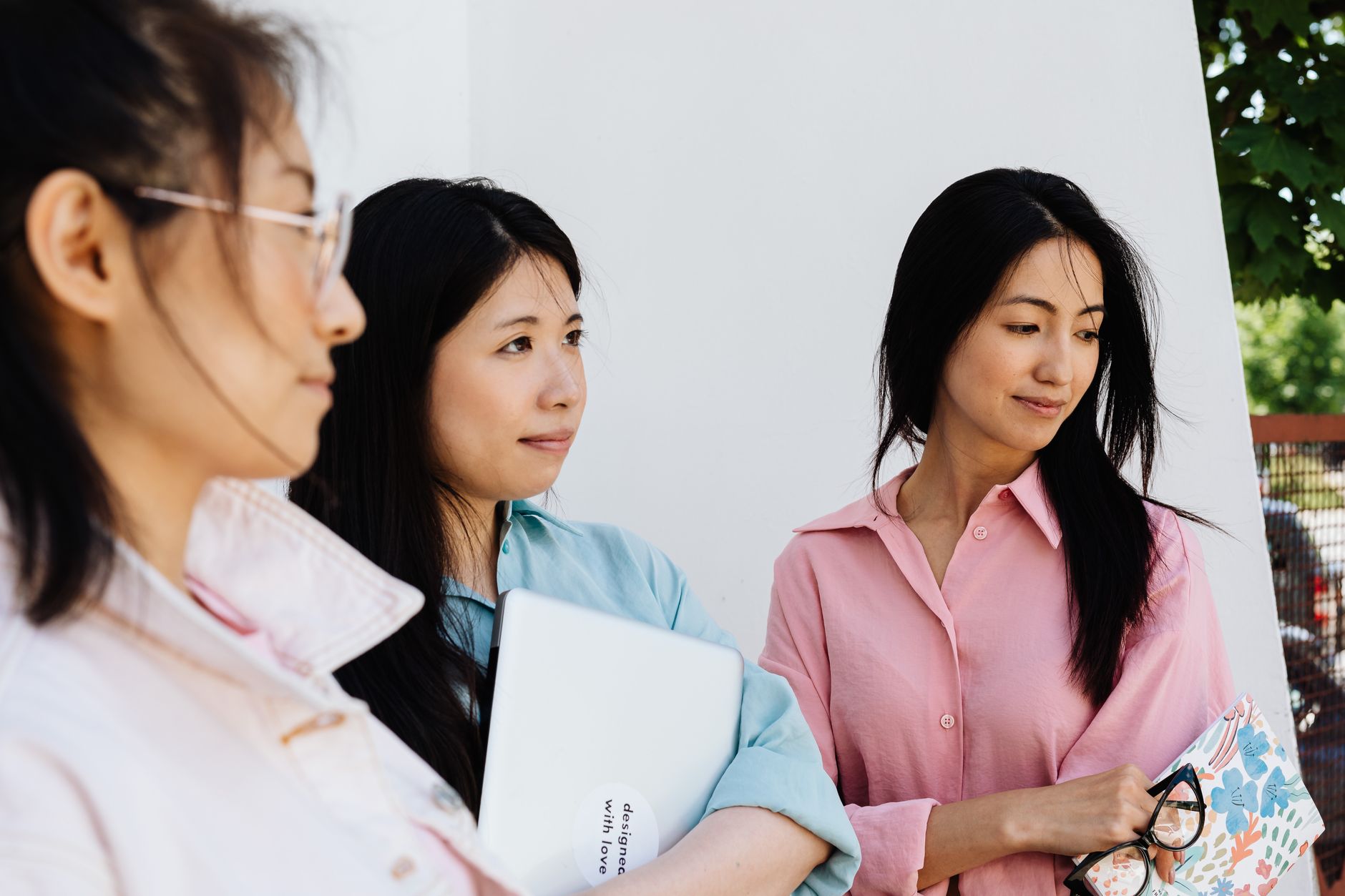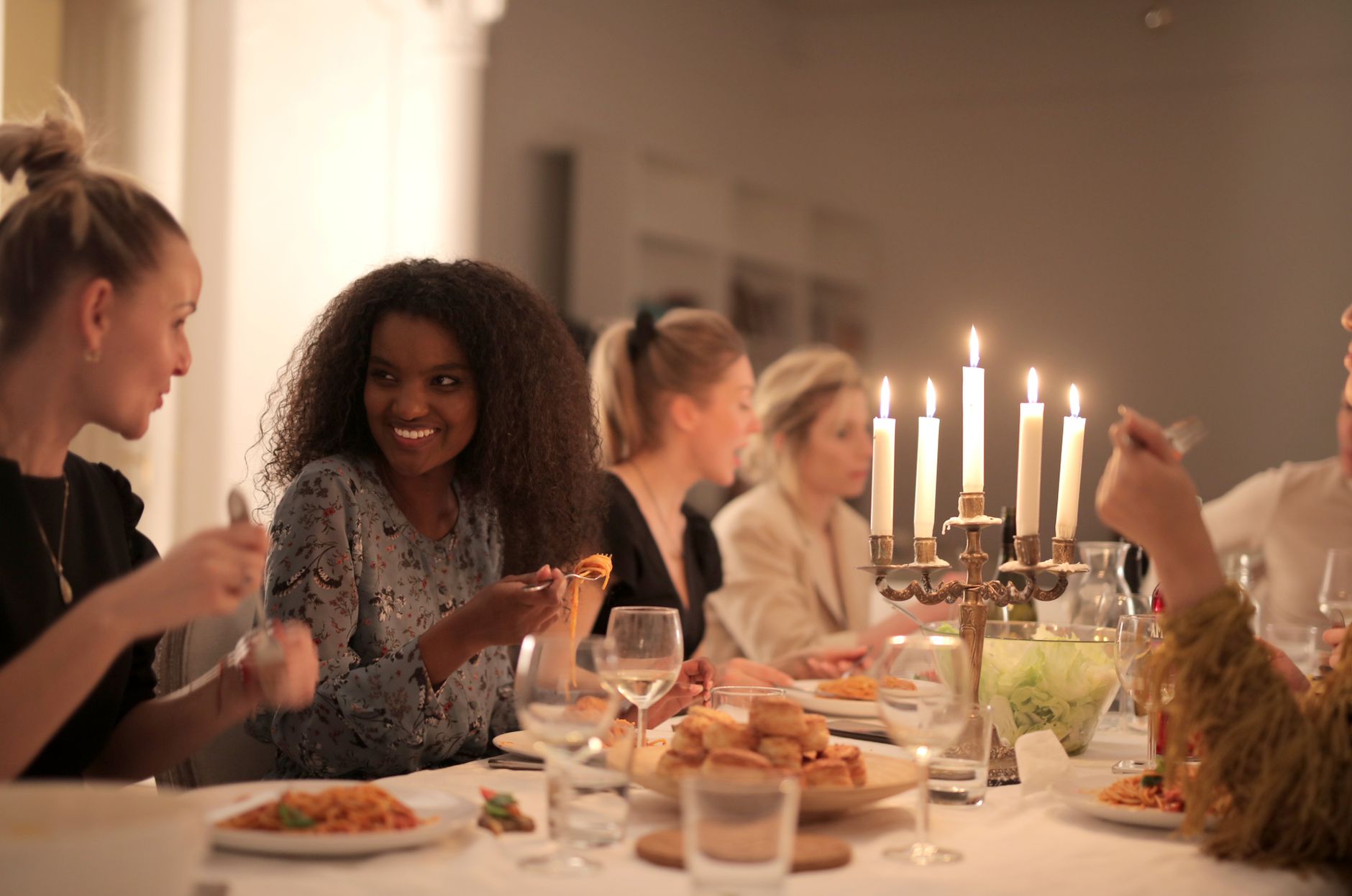
"Chosen family" gets used as a slogan, particularly around Pride season. The lived version is more substantial. It's the friend who answered when you were in psychiatric crisis. The ex-partner who's still your emergency contact ten years later. The dinner that happens every Sunday because someone decided it would. The network that's quietly held you together when blood family didn't or wouldn't. This piece is about how those networks actually work, what makes them last, and what they ask of the people in them.
Why queer people build them
Chosen family isn't unique to queer life — anyone whose biological family is unsafe, distant, or absent has found themselves building something else. But for queer people, it's been a survival pattern long enough that it's now structurally embedded in the culture.
The reasons:
- Many queer people experienced rejection or partial rejection from family of origin, especially in earlier generations and in conservative contexts
- The AIDS epidemic forced communities to do family-level caretaking when biological families wouldn't show up
- Queer people's relational lives — friendship structures, partnerships, ex-partner relationships — are often more elaborate and more central than the nuclear-family default
- The work of being queer in the world creates a depth of shared understanding that becomes its own bond
- For people without children, networks of friends are the people who'll be there in old age
Even queer people whose biological families are loving and present often have chosen family alongside, doing distinct work.
What chosen family actually does
Chosen family is not just "good friends". The distinguishing feature is that it does family-level work:
- Emergency contact and hospital advocacy
- Practical caregiving during illness, surgery, mental health crisis
- Holiday and Sunday-dinner-level regularity, not occasional drinks
- Money loaned, debts forgiven
- Sleeping on couches during breakups, divorces, transitions
- Showing up for funerals, weddings, big life events
- Helping move
- Childcare, godparent roles, deep involvement in raising kids
- End-of-life support
The test isn't intensity of feeling. It's whether you've actually shown up, repeatedly, for the boring infrastructure of someone's life.
The role of former partners
One of the things that distinguishes queer chosen family from straight friend networks: the elaborate role of ex-partners.
In queer communities, ex-partners often remain in your life as friends, sometimes as close ones. The reasons are partly practical (the queer dating pool is small enough that completely cutting people off is impractical), partly cultural (queer communities have historically been less binary about the lover/friend distinction), and partly relational (the work of building intimacy with someone doesn't disappear when sexual chapter ends).
This can look strange from outside. The wedding where four of the bridal party are ex-girlfriends. The friendship group that's all former hookups. The household where the housemate is the host's ex.
It mostly works, with some specific care:
- Time between break-up and friendship matters. Trying to be friends immediately often backfires; six months to a year of distance often doesn't
- Both people need to have actually moved on, not be using friendship as proxy for not letting go
- New partners who can't tolerate the ex-as-friend pattern are sometimes a sign the new partner is wrong, sometimes a sign the friendship needs adjustment
- Some breaks need to be permanent. Not every ex becomes chosen family, and it's not a failure if some don't
How these networks form
They aren't built from a single decision. They grow over years through repeated showing-up:
- Helping each other move twice
- Surviving each other's break-ups
- Going to each other's parents' funerals
- Being the person who picked up the call at 3am
- Sustaining the regular dinner, the standing brunch, the recurring movie night
- Sharing rent for a while
- Being introduced to each other's families and slowly meeting them
- Being there for the children
The depth comes from accumulation, not from any single declaration. People sometimes mistake intensity for chosen family — a charged friendship for two months isn't the same as a person who's been your emergency contact for a decade.
What chosen family asks of you
The membership cost:
- Showing up when it's inconvenient, not just when it's fun
- Being honest with people who'll keep being in your life regardless
- Repairing rifts rather than fading away after fights
- Maintaining connection through life changes (new relationships, kids, moves, career changes)
- Tolerating each other's mistakes, repeatedly
- Allowing yourself to be deeply known, including the parts that aren't flattering
This is real work. Many people learn it later in life because the cultural script for friendship doesn't teach it.
The kinds of relationships these networks include
A typical mature queer chosen-family network might include some of:
- Long-term friends from your twenties who've been there through everything
- An ex or two who became close friends after the relationship ended
- Current partner(s)
- Friends-of-partners who became your friends in their own right
- People you co-raised kids with, biologically or otherwise
- Younger people you've mentored who are now adults in their own right
- Older people who mentored you when you were younger
- One or two biological family members who do the same work
The structure is messier than nuclear family but often more robust because it's distributed — no single person carries the whole weight.
Chosen family during crisis
Where chosen family proves itself:
- Mental health crisis — when biological family can't or won't, chosen family often does
- Coming-out fallout — when biological family reacts badly, chosen family is the soft place to land
- HIV diagnosis (historically and now) — disclosure often happens to chosen family before biological
- Surgery and recovery — particularly trans-affirming surgeries, where biological family may not be supportive
- Pregnancy and birth — many queer people have chosen-family members at the birth, sometimes including ex-partners or co-parents in non-traditional configurations
- Funerals — chosen family often does the practical work and emotional carrying
The networks that actually work in crisis are the ones where the regular maintenance has been done for years before the crisis.
Chosen family and romantic relationships
How does romantic partnership fit alongside chosen family? Some patterns:
- The healthy version: partners are part of the chosen-family network, not in competition with it. The friends remain friends; the partner enters as a new node.
- The unhealthy version: a partner who isolates someone from their chosen family, or who insists on being the only deep relationship
- The complicated version: relationships that don't survive the chosen family — when partners can't tolerate the depth of friendship, the friendships often outlast the relationship
Worth saying directly: if a new partner asks you to distance from your chosen family, that's a serious red flag. The depth of those relationships predates them and shouldn't be sacrificed.
For people whose biological families are present
Chosen family isn't a replacement for biological family — for queer people lucky enough to have supportive biological family, it's an addition. The two networks often overlap (biological family who become friends with chosen family, joint holidays).
The mistake some make: assuming biological family covers all the bases and skipping the chosen-family work. When biological family is far away, busy with their own lives, or unable to understand specific aspects of your queer experience, the chosen-family network does work that biological family can't.
For people without close biological family
For people whose biological families are absent, dead, estranged, or just not available, chosen family is the family. The stakes are higher and the investment needs to match.
Some practical things that matter when biological family isn't part of the picture:
- Living wills, medical proxies, and powers of attorney designating chosen-family members. South African law allows this; without it, hospitals default to blood family by default.
- Will and inheritance planning naming chosen family — same logic
- Emergency contact updates everywhere (medical aid, work, gym, banking)
- If you have kids, formal guardianship paperwork naming chosen-family members
- Conversations with chosen family about end-of-life, big medical decisions, what you'd want
The legal system still treats biological family as default. Chosen family becomes legally meaningful through paperwork.
South African chosen-family infrastructure
Chosen family in South Africa exists in particular textures:
- The household — multi-adult households are common in queer communities, often blending romantic partners, friends, ex-partners, and visiting people
- The Sunday lunch — recurring meals are often the connective tissue, often hosted by the same person for years
- The faith community, where it's affirming — some queer people find chosen family inside affirming churches, mosques, temples, sangomas' communities
- The political space — activism communities (queer rights, sex worker advocacy, trans liberation) build deep bonds through shared work
- The artistic community — theatre, music, dance scenes have produced some of the most enduring queer chosen families locally
Each city's queer community has its own version of these structures. Cape Town, Johannesburg, Durban, and smaller cities all have networks that have endured decades.
When chosen family fails
Worth saying: it doesn't always work. Networks fall apart. Friend break-ups happen. Crisis sometimes reveals that the depth wasn't there.
Common failure points:
- One person carrying disproportionate weight, eventually burning out
- A romantic relationship inside the network ending badly and rupturing the wider group
- Someone moving cities and the network not adapting
- Conflict that isn't repaired — silent fade rather than honest rupture
- Life-stage divergence — people having kids while others don't, careers pulling people apart
None of these mean the project failed. They mean networks need maintenance, and sometimes need rebuilding when life shifts.
Building one if you don't have one yet
If you're younger, newer to a city, or only starting to find queer community:
- Show up to things repeatedly. Networks form from repeated presence, not from one good night out.
- Be the one who organises sometimes. The hosts are often the centre of networks because they made themselves the centre.
- Be willing to be useful. Help people move; bring food when someone is sick; offer your couch.
- Stay through the boring years. The relationships that last become deep through accumulated time, not through dramatic moments.
- Be honest. Networks that survive long-term run on people being able to say hard things to each other.
- Cross generations. Friendships with older queer people teach you what longevity looks like.
It takes years. There's no shortcut. The networks worth being in are made of people who showed up over time.
The bottom line
Chosen family isn't a slogan. It's the network that does family-level work in queer lives where biological family didn't or couldn't. It's built from years of repeated showing-up, includes ex-partners and current friends and sometimes blood relatives who earn their place, and it's the structure that holds queer people through the parts of life that nobody can do alone.
If you have one, it's worth what you invest in it. If you don't yet, it's worth building one carefully, over time, with people who consistently show up.
You're allowed to be held that way. So is everyone you love.