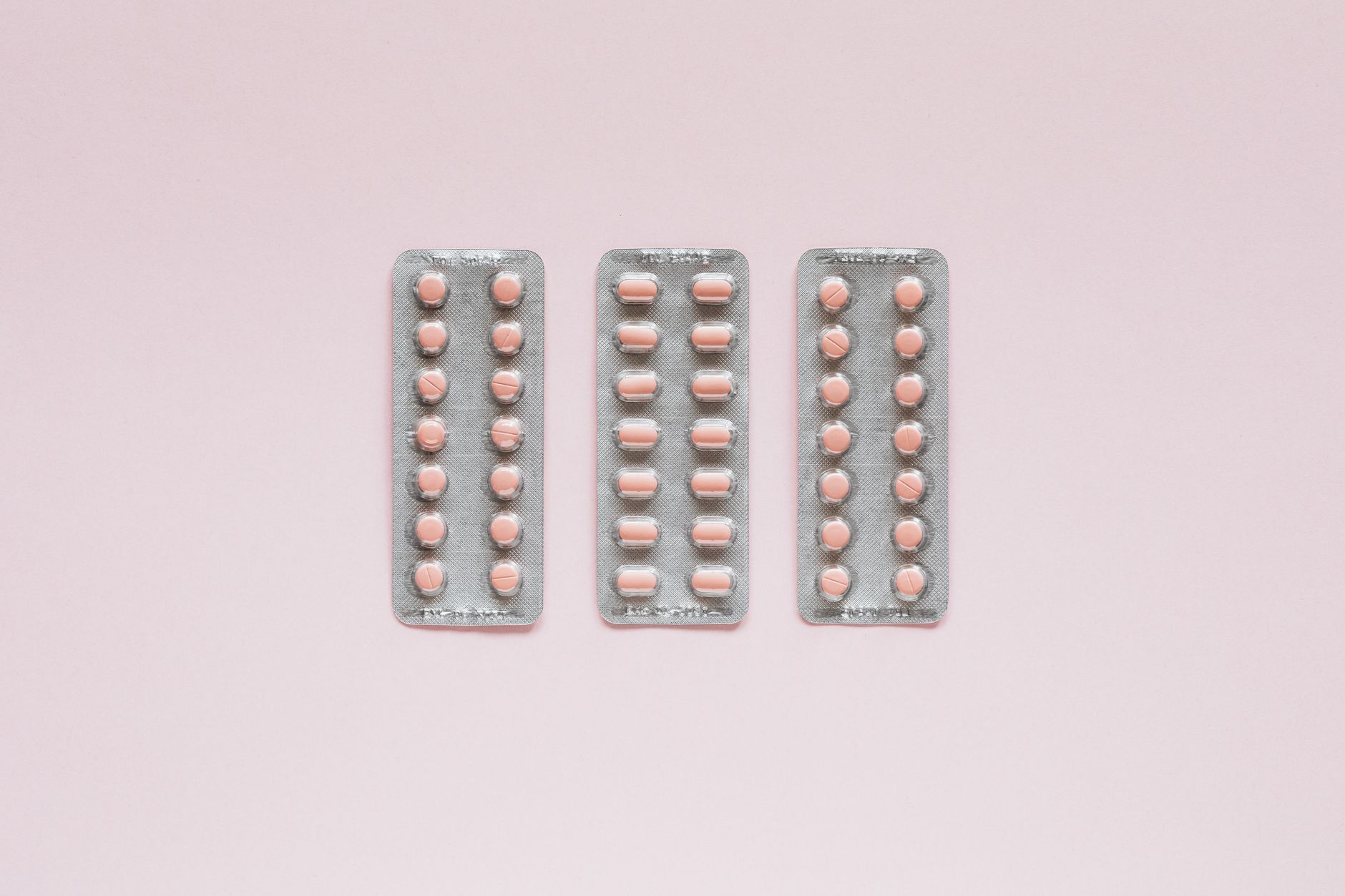
Two pills sit on the pharmacy shelf. One has a bit of oestrogen and a synthetic progestogen. The other has only the progestogen. They both prevent pregnancy. They behave differently in your body, and the choice between them is more useful than the choice between brands.
Most South African women are quietly handed whichever pack the GP reaches for first, often a combined pill. That's fine for most people — but if you've struggled with one and not been told there's another option entirely, this guide is for you.
How the two families differ
The combined oral contraceptive (COC) contains ethinyl oestradiol (or estradiol) plus a progestogen. It works by suppressing ovulation, thickening cervical mucus, and thinning the uterine lining. Three mechanisms, very high efficacy if taken consistently.
The progestin-only pill (POP), also called the mini-pill, has only a progestogen — no oestrogen. Older POPs work mainly by thickening cervical mucus and thinning the lining; newer ones (containing desogestrel or drospirenone) also reliably suppress ovulation. The newer formulations are now the default in most South African pharmacies.
Who should avoid combined pills
Oestrogen is the bit that triggers most of the safety conversations. The combined pill is contraindicated or risky for:
- People who smoke and are 35 or older — clot risk rises steeply
- Migraine with aura — even one episode is reason enough to switch
- History of deep vein thrombosis, stroke, or clotting disorders
- Uncontrolled high blood pressure
- Active or recent breast cancer
- Liver disease
- Currently breastfeeding under six weeks postpartum
If any of those apply to you, the progestin-only pill is the obvious next conversation — it doesn't carry the oestrogen-related risks.
What each one does well
Combined pill — strengths
- Predictable cycles — you can usually skip a withdrawal bleed by going pack-to-pack
- Reliable acne improvement for many users
- Reduces menstrual cramps and heavy bleeding
- Some evidence of mood stability, especially with newer drospirenone-containing pills
- Reduces ovarian and endometrial cancer risk over time
Progestin-only pill — strengths
- Safe while breastfeeding
- Safe for smokers and people with migraine
- No oestrogen-related clot risk
- Newer versions (desogestrel, drospirenone) suppress ovulation — high efficacy with imperfect timing
- Lighter periods or no periods at all (which most users prefer once they get used to it)
The side-effect picture, honestly
Side effects are the part doctors gloss over and patients lie awake worrying about. Here's the realistic view:
On the combined pill, the most common adjustments in the first three months are nausea, breast tenderness, breakthrough bleeding, and a slight headache pattern. Most settle by month three. Mood changes happen but are far less universal than internet forums suggest — a 2024 large cohort study suggested mood-related side effects occur in roughly 10-15% of users, with similar numbers reporting improved mood. Libido changes can go either way; some people lose interest, others find sex easier without pregnancy worry. Weight gain attributable to the pill specifically is small in controlled studies, despite popular belief.
On the progestin-only pill, the common things to plan for are unpredictable spotting (especially the first three to six months), occasional acne flare-ups in those sensitive to androgens, and a chance of complete cycle cessation — which is medically fine but psychologically unsettling if you weren't warned. The newer desogestrel-based pills tend to be cleaner on mood than older formulations.
Timing rules — the part that actually decides efficacy
Both pills are very effective with perfect use. Real-world failure comes from missed pills, and the two families forgive lateness differently.
- Combined pill: a 12-hour late window; you're protected if you take it within that. Miss a full pill, take it as soon as you remember and use backup for seven days.
- Older POP (norethisterone): a strict 3-hour window. Miss it by more than that and you need backup for two days.
- Newer POP (desogestrel, drospirenone): a 12-hour window — much more forgiving and the main reason these have largely replaced older formulations.
If you know you're going to forget, go for one of the newer POPs or skip the pill entirely and consider a long-acting method (IUD, implant, injection).
Switching between them
Switching is generally simple, but the timing matters:
- Combined to POP: finish your current combined pack, then start the POP the next day with no pill-free interval. You're covered immediately.
- POP to combined: can switch on day one of a bleed, or any day with seven days of backup contraception.
- Switching brands within the same family: usually no gap, no backup needed.
What to actually ask your GP
If you're picking your first pill or considering a change, the conversation goes well when you bring three things:
- Your blood pressure (recent reading)
- Whether anyone in your immediate family has had clots or strokes under 50
- What you specifically want from the pill — contraception only, period control, acne, mood stability, or some combination
That gives the doctor enough to make a real recommendation rather than handing you whatever the pharma rep dropped off last week.
The honest middle ground
Most people do well on either family. The combined pill is the right starting point for most under-35s with no contraindications who want a predictable cycle. The progestin-only pill is the right starting point for people who can't tolerate oestrogen, have any of the contraindications above, or want something quietly continuous in the background.
If your current pill isn't working — physically, emotionally, or logistically — it's reasonable to ask for a different one. There are at least a dozen formulations on the South African market. The first one your GP reached for isn't necessarily yours.
This article is general information, not a prescription. Pill choice is medical and your full history matters — book in with a GP or family planning clinic before starting or switching.